
Selling a Bay Area house with a neighbor dispute can feel more complicated than selling a home with a straightforward repair. Buyers may ask whether the issue concerns a fence, noise, access, drainage, a tree, parking, or the location of a property line.
You do not need to settle every disagreement before requesting an offer. You do need a clear record of what happened, what remains unresolved, and what a buyer will receive. These five steps can help you prepare without escalating the conflict or making promises you cannot support.
1. Define the Issue Affecting Your Bay Area House With a Neighbor Dispute
Start with a neutral timeline. Record dates, locations, requests, responses, and any practical effect on the property. Separate direct observations from assumptions about the neighbor’s motives or legal rights.
Common sale-related concerns include:
- A fence, hedge, wall, or structure whose location is questioned.
- Disagreement about a driveway, path, parking area, or other access.
- Recurring noise, smoke, drainage, pets, debris, or maintenance complaints.
- Tree branches, roots, trimming, or alleged property damage.
- Demand letters, mediation, court filings, or an informal agreement.
Save original messages and notices. Avoid editing screenshots or posting the disagreement online. If there is a safety threat, harassment, or pending legal deadline, prioritize appropriate legal or emergency guidance over the sale schedule.
2. Verify the Property Records Before Taking a Position
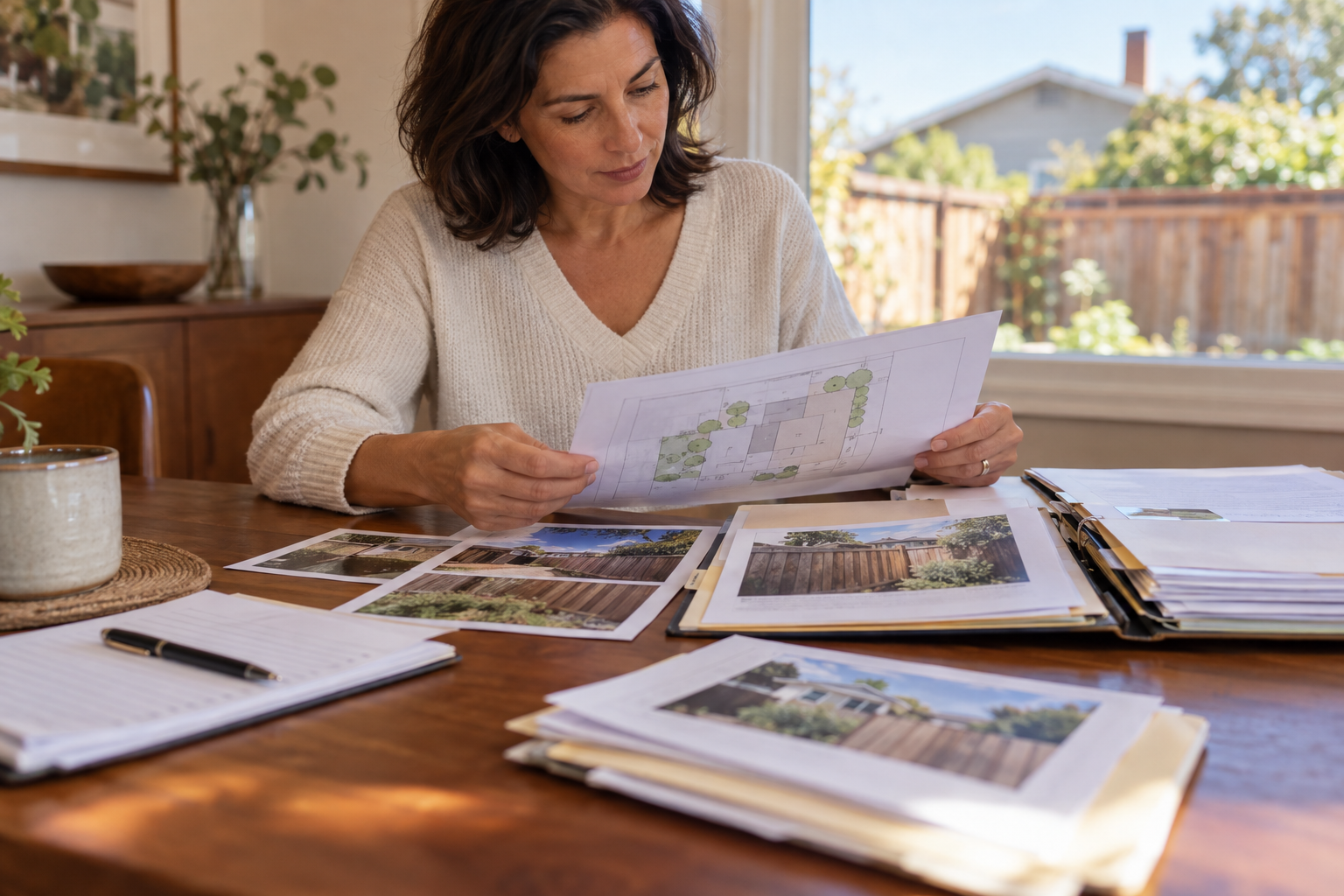
Collect the deed, preliminary title report, parcel map, available survey, permits, photographs, invoices, and written agreements. These records answer different questions. A fence location, for example, does not by itself prove the legal boundary, and a parcel-map image is not automatically a current field survey.
Ask the title professional, licensed land surveyor, or California real-estate attorney appropriate to the issue what each document establishes. Do not move a fence, trim a disputed tree, block access, or promise a buyer that a right exists based only on your own measurement.
If the disagreement centers on recorded access, review our guide to selling with an easement or shared driveway. If it concerns protected vegetation, see the separate protected-tree sale guide. Those property-specific questions may require additional local review.
3. Choose a Proportionate Professional Path
A calm written request may resolve a simple misunderstanding. Keep it factual, propose a practical next step, and preserve the response. Avoid threatening language or a rushed agreement that creates new obligations for the property.
Consider mediation when communication has stalled
The California Courts Self-Help Guide explains that a neutral mediator can help people communicate and look for a mutually acceptable solution. Mediation does not guarantee an agreement, but it may offer more control than asking a court to decide the dispute.
When ownership, access, damage, harassment, or litigation is involved, get advice tailored to the facts. The State Bar of California’s certified Lawyer Referral Service directory can help locate assistance by county and area of law. Tell any professional that a sale is being considered so deadlines and proposed terms can be coordinated.
4. Prepare Disclosures and a Practical Showing Plan
Give your agent or attorney the timeline, reports, notices, agreements, estimates, photographs, and pending claims. Ask what should be disclosed and how to describe it accurately. Do not minimize an ongoing conflict, speculate about the neighbor, or state that a matter is resolved unless the documentation supports that conclusion.
The California Department of Real Estate’s Disclosures in Real Property Transactions guide explains major seller-disclosure requirements and cautions against fraud, misrepresentation, or deceit. Applicable duties depend on the property and transaction, so use qualified advice rather than treating a generic checklist as a legal conclusion. An as-is term does not erase disclosure obligations.
Plan showings to reduce avoidable friction. Give buyers lawful access to the property, explain any restricted area, and let them review records or arrange inspections. Do not invite a confrontation, enter the neighbor’s property, hide a visible condition, or coach the neighbor about what to say.

5. Compare Sale Options Using Written Terms
Resolve first, then list
Resolving the issue before listing may reduce buyer uncertainty when the facts are clear and a written solution is achievable. Compare the likely benefit with professional fees, work costs, carrying expenses, and delay. A verbal truce may not answer a buyer’s title, access, or future-maintenance questions.
List with the issue disclosed
A traditional listing may still work when the records are organized and buyers can investigate. Discuss pricing and presentation with your agent. Put any required repair, settlement, credit, or document delivery into the purchase agreement rather than relying on an informal explanation.
Compare an as-is cash offer
A direct buyer may evaluate the property while the neighbor issue remains unresolved. Compare net proceeds, inspection and cancellation rights, closing costs, requested documents, and the proposed closing date. Cash payment removes the buyer’s mortgage contingency only when the agreement says so; it does not transfer your personal legal claim or settle the dispute automatically.
Our cash buyer versus Realtor guide provides a broader comparison. Have the appropriate professionals review dispute-related terms before you sign.
Frequently Asked Questions
Can I sell a house while a neighbor dispute is unresolved?
Often, yes. The right approach depends on the dispute, documents, disclosure requirements, buyer investigation, and purchase terms. Get transaction-specific advice when legal rights or pending claims are involved.
Should I contact the neighbor before listing?
A calm, documented conversation may help in some situations. Ask for professional guidance first if there is harassment, threatened litigation, a restraining order, a safety concern, or a risk that contact could worsen the matter.
Will a cash buyer purchase a home with a neighbor issue?
Some will consider it. Share the known facts and records so the buyer can evaluate the situation. Review the written offer carefully; a cash sale does not automatically eliminate inspections, disclosures, or cancellation rights.
Request a Cash Offer With the Facts Organized
If you are selling a Bay Area house with a neighbor dispute, you can compare an offer before committing to a lengthy resolution process. We Buy Properties in Bay Area can review the home’s current condition, the information available, and your preferred timeline.
Request a no-obligation cash offer and describe the issue as clearly as you can. Compare the written terms with your other options, then choose the path that fits your property and timing.