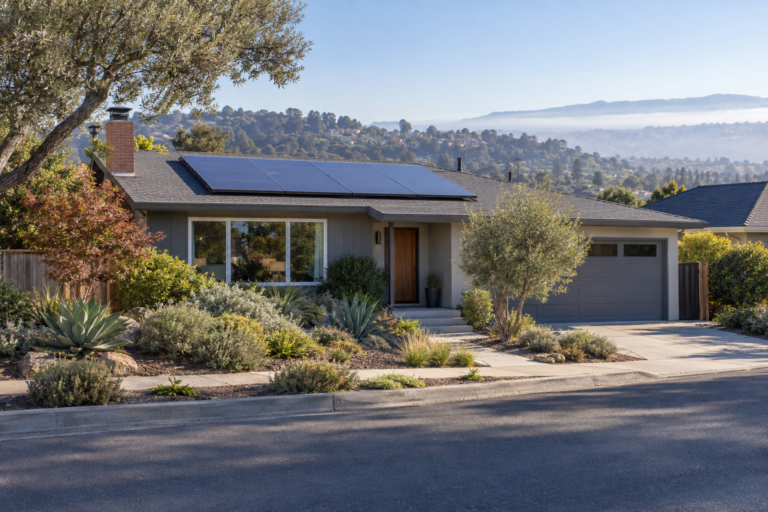
Selling a Bay Area house with protected trees starts with understanding what can stay, what needs care, and what changes require permission. A mature oak or redwood may be a selling feature, but buyers can also have questions about maintenance, shade, or future building plans.
Before paying for tree work or promising a buyer a cleared yard, check the facts for your address. A healthy tree, a protected tree, and a hazardous tree are different descriptions. One tree can fit more than one category, and appearance alone does not settle the questions.
1. Check Your Bay Area House With Protected Trees
Start with the city or county responsible for the property. Ask which trees are regulated and whether any designation, permit condition, or prior approval applies. Rules vary across the Bay Area; a neighbor’s experience in another city is not a reliable answer.
In San Francisco, Public Works’ tree-removal guidance explains that street trees and qualifying Significant Trees on private property require removal permits. Private ownership does not automatically mean unrestricted removal. Ask the department to confirm the tree’s category before arranging work.
Oakland’s permit guidance says removing a protected tree or building within ten feet of one requires a Tree Protection and/or Removal Permit, with public notice. These are examples of local rules, not a checklist for every Bay Area address.
- Record the tree’s location and any known species identification.
- Collect existing tree permits, approved site plans, and city correspondence.
- Ask about pruning, removal, and nearby construction separately.
- Keep written answers with the property records.
2. Get a Focused Assessment Before Choosing Work
If buyers may question a tree’s condition, consider a qualified arborist’s assessment. Explain that you are preparing to sell and need a clear description of the findings, recommended care, and any limitations. Ask whether a separate tree-risk assessment would be appropriate.
The International Society of Arboriculture explains how an arborist can help with tree care, including pruning, diagnosis, and removal decisions. A written assessment is more useful for a sale conversation than a casual statement that the tree “looks fine.”
Separate tree advice from building advice. If there is cracked paving or a foundation concern nearby, do not assume the tree caused it. The appropriate property specialist may need to assess the damage. Likewise, an arborist’s recommendation does not by itself authorize work that needs municipal approval.

3. Build a Tree Record File for Buyers
Give buyers enough information to understand the current situation without guessing. Useful records include:
- Dated arborist reports and photographs.
- Pruning or other maintenance invoices.
- Permit applications, approvals, conditions, and outstanding notices.
- Relevant neighbor correspondence or written maintenance agreements.
- Any documented damage, insurance claim, or unresolved concern.
If a record is missing, identify the gap rather than presenting an assumption as a fact. For example, “we have not located a removal permit” is different from saying removal was approved. Keep original reports intact so buyers can read their scope and qualifications.
Discuss known conditions and disclosure obligations with your agent or a California real-estate attorney. The California Department of Real Estate’s general disclosure guide explains the role of property-condition disclosures. It is background guidance; your professional should confirm current, transaction-specific requirements, including for an as-is sale.

4. Avoid Promising Removal or Expansion Potential
A buyer may imagine a larger patio, an addition, or more sunlight. Keep marketing tied to what is documented. Do not describe a yard as ready for expansion simply because there appears to be open space between the house and a tree.
For example, if a buyer wants a new deck near a protected oak, the useful next step is an address-specific permit inquiry and an appropriate site review. A rough sketch or a contractor’s estimate does not establish that the project will be approved.
If the purchase agreement includes tree work, have the responsible professionals clarify the scope, required approvals, who pays, and what happens if approval is delayed or denied. Avoid committing to a removal deadline before the permitting path is understood.
5. Compare Sale Options Before Spending on the Yard
List with clear records
A traditional listing may work well when the trees are cared for and buyers can understand the ongoing responsibilities. Present the garden honestly, provide available records, and obtain written quotes for any proposed work. Compare the likely benefit of preparation with its cost and time.
Consider an as-is cash offer
A direct buyer may evaluate the home with the trees and existing records in place. An as-is sale does not erase tree protections, outstanding notices, or disclosure obligations. Ask whether the offer depends on removal approval, further inspections, or another condition.
Compare expected proceeds after selling costs, agreed work, credits, and ongoing ownership expenses. Our cash buyer versus Realtor guide can help you weigh the broader options. If you choose a direct sale, review what happens after accepting a cash offer before setting your moving plans.
Frequently Asked Questions
Can I sell a home while a protected tree remains?
A protected tree does not automatically prevent a sale. Buyers need to understand applicable restrictions and known conditions. Outstanding notices, required work, and contract terms may affect the transaction.
Does a tree-removal quote mean removal is allowed?
No. A quote describes proposed work and price. Confirm permit requirements and obtain any necessary approval separately before authorizing removal.
Will protected trees lower my home’s value?
There is no universal discount. Buyers may value shade and character while considering maintenance or limits on future plans. Condition, location, documentation, and comparable sales matter.
Get a Cash Offer Before Committing to Tree Work
If you are selling a Bay Area house with protected trees, start with clear records and a realistic comparison of your options. We Buy Properties in Bay Area can review the home’s current condition and discuss an as-is purchase. Request your no-obligation cash offer and tell us about the trees, available reports, and the timeline you need.