If you need to sell house with easement Bay Area, the sale can feel confusing before you even talk about price. Maybe your driveway crosses a neighbor’s land, a neighbor uses part of your lot, utility lines run through the property, or access depends on an old private road agreement.
These issues are common in older Bay Area neighborhoods, hillside streets, subdivided lots, and properties that have changed hands for decades. An easement or shared driveway does not automatically make a house unsellable, but it can change how buyers, lenders, title companies, and insurers look at the deal.
Why Easements Matter When Selling
An easement is a right to use someone else’s property for a specific purpose, or to let someone else use part of yours. California Civil Code recognizes easements as property interests, and the details usually depend on recorded documents, maps, deeds, or long-standing agreements.
For sellers, the key question is simple: can the buyer understand how the property is accessed and used? If the answer is unclear, a buyer may ask for more documents, a price reduction, an extension, or a cancellation.
- A shared driveway may require maintenance or parking boundaries.
- An access easement may determine whether the home can be reached legally.
- A utility easement may limit where additions, fences, or landscaping can go.
- A private road may raise repair, insurance, or emergency access questions.
- An encroachment may create uncertainty about fences, stairs, garages, or retaining walls.
What to Check Before You List
1. Review the preliminary title report
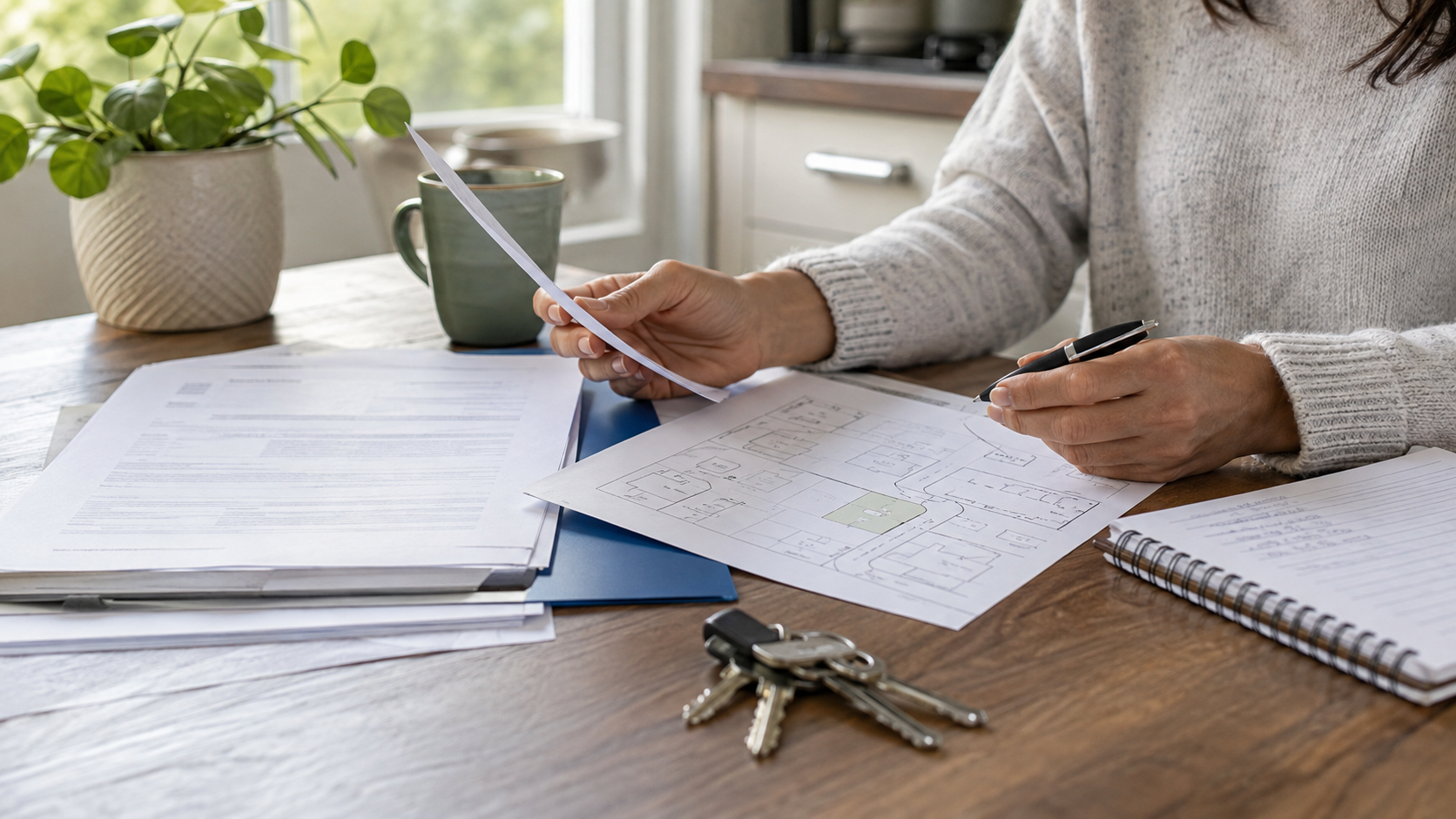
A preliminary title report may show recorded easements, restrictions, and exceptions that affect the property. The California Department of Real Estate notes that escrow and title review help confirm contract conditions before a sale closes.
If you already know about an access or driveway concern, do not wait for a buyer to discover it late in escrow. Gather the report, deed references, surveys if available, old agreements, HOA or road maintenance documents, and any correspondence that explains how access has worked.
2. Separate recorded rights from neighbor habits
Some driveways and paths have been used informally for years. That does not always mean the rights are clear on paper. A buyer may be comfortable with a recorded easement but nervous about a handshake arrangement with a neighbor.
This is where a real estate attorney, title officer, or qualified professional can help you understand what is actually documented. The goal is not to create a legal lecture for buyers. The goal is to reduce surprise.
3. Think about financing risk
Financed buyers often need lender approval, title clearance, insurance, and sometimes appraisal support. The Consumer Financial Protection Bureau explains that an appraisal is an independent opinion of value, and unusual access can affect how a lender or appraiser views marketability.
That does not mean every financed buyer will have a problem. It means the more unusual the access, the more important it is to understand the risk before you choose an offer.
How to Sell House With Easement Bay Area
Most sellers have three practical paths.
- List traditionally with clear disclosures. This may work if the issue is documented, ordinary for the area, and unlikely to scare off lenders.
- Resolve or clarify the issue first. This may mean a written maintenance agreement, updated title work, survey review, or professional legal guidance.
- Compare an as-is cash offer. A direct buyer may be more comfortable evaluating the property with the easement, access concern, or shared driveway already factored in.
Helpful related guides include selling San Francisco houses on hills, why a Bay Area house may not sell, cash home buyers in San Francisco, and how our cash-offer process works.
When a Cash Offer May Be Simpler
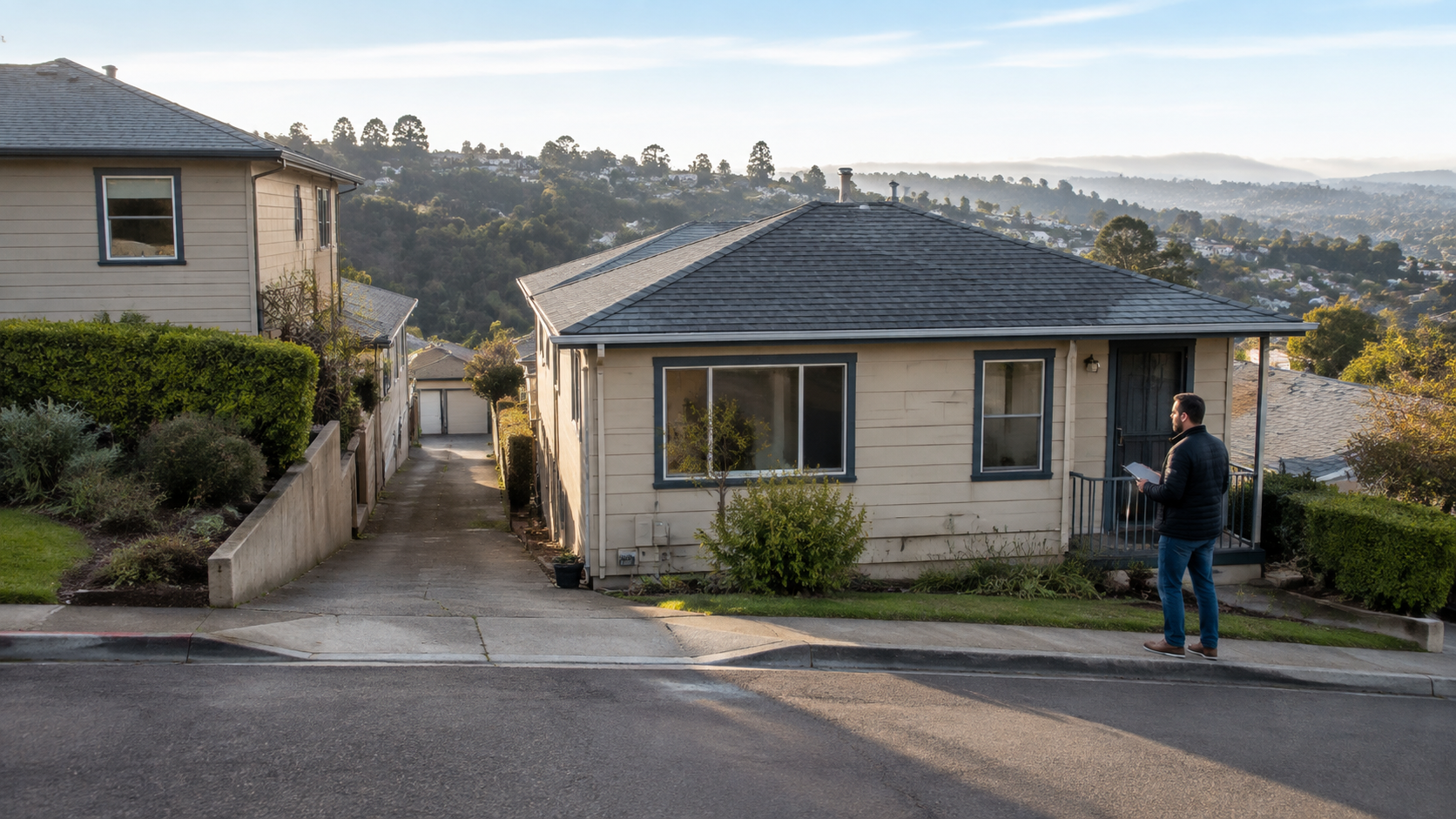
A cash offer may be worth comparing if the property has a narrow shared driveway, unclear parking rights, hillside access, neighbor use, old survey questions, deferred maintenance, or a previous buyer who got nervous after reviewing title.
The benefit is not just speed. It is fewer lender conditions, fewer repeat showings, fewer back-and-forth repair requests, and a clearer way to compare your likely net proceeds.
FAQ
Can I sell a house with an easement in the Bay Area?
Yes. Many Bay Area properties have easements. The sale is usually easier when the easement is documented, disclosed, and understood before a buyer enters escrow.
Will a shared driveway lower my sale price?
It can, especially if parking, maintenance, or access rights are unclear. If the arrangement is recorded and common for the neighborhood, the effect may be smaller.
Do I need to fix an easement issue before selling?
Not always. Some sellers clarify documents before listing, while others sell as-is to a buyer who understands title and access concerns. Compare the cost, time, and risk before deciding.