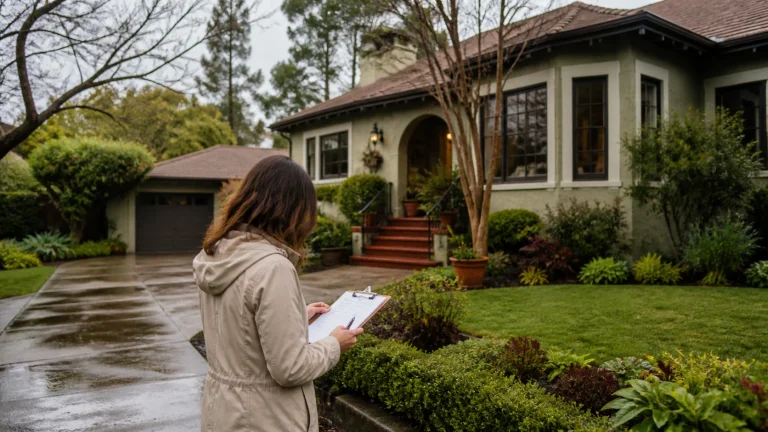
Selling a house with rodent damage can feel uncomfortable, especially when you do not know whether the evidence is old or active. Droppings, gnaw marks, damaged insulation, odors, or noises in a wall may affect buyer confidence, but they do not automatically make a Bay Area home unsellable.
The practical goal is to document what you know, avoid unsafe cleanup, identify any affected building systems, and compare the likely cost and timing of each sale option.
1. Do Not Disturb Rodent Waste Before You Have a Plan
Start with photographs from a safe distance and notes about where and when you noticed signs. Do not sweep or vacuum droppings or nesting material. The CDC’s rodent cleanup guidance recommends wetting contaminated material with an appropriate disinfectant and using protective steps; heavy infestations may require additional precautions.
If the home is vacant, restrict access to affected areas until a qualified professional advises you. Avoid opening walls or moving contaminated insulation just to see how far the problem extends.
2. Request a Focused Inspection
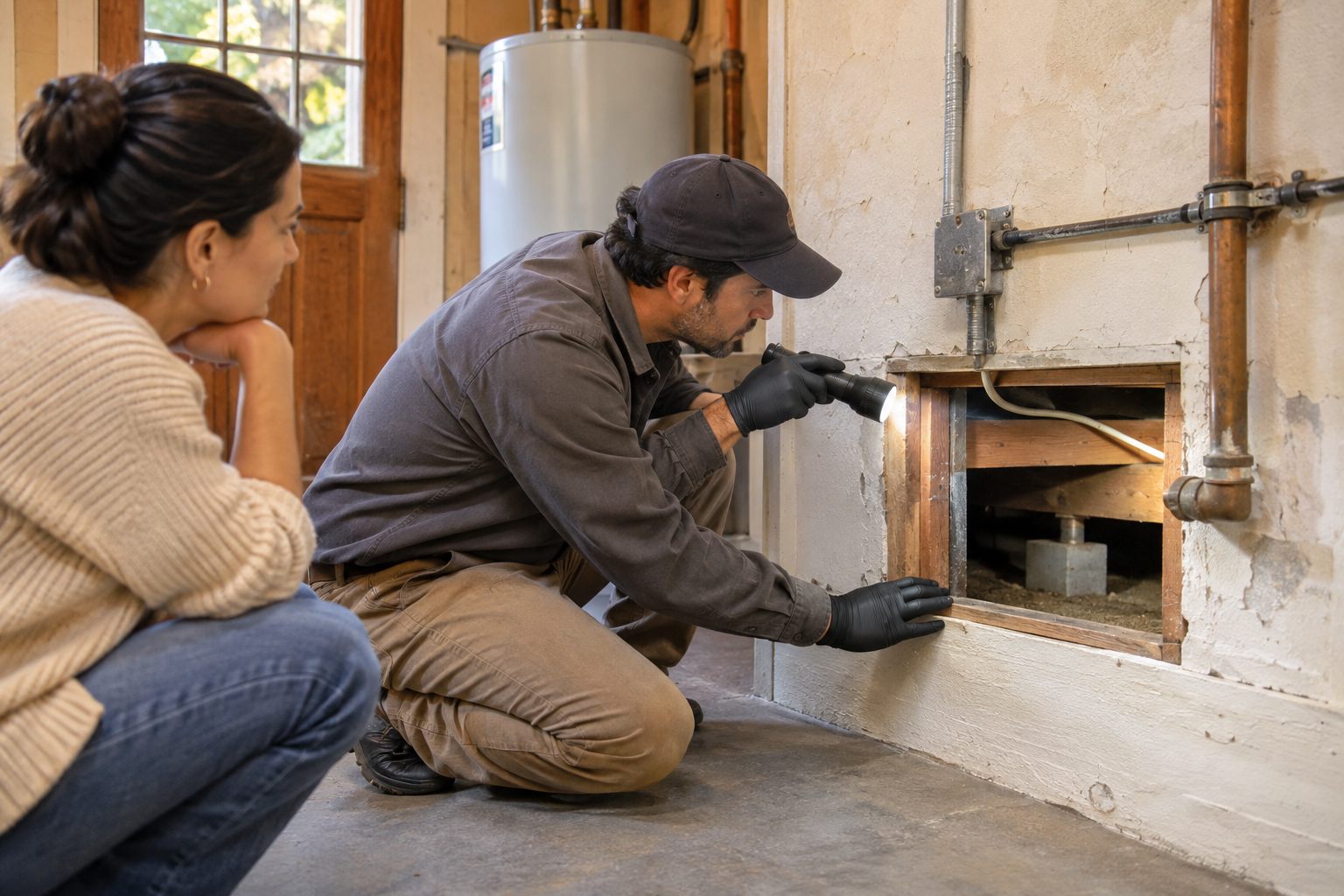
Ask a qualified pest professional to look for current activity, possible entry points, and accessible damage. Request a written scope that separates exclusion work, trapping or removal, cleanup, and repairs. Also ask which crawl spaces, attics, ducts, cabinets, or wall cavities could not be inspected.
- Locations and signs of current or previous activity
- Openings around vents, pipes, doors, roofing, and foundations
- Visible damage to insulation, ducts, stored items, or finishes
- Areas needing review by an electrician or another specialist
3. Check Any System That May Be Affected
A pest report may not determine whether wiring, ducts, plumbing, or structural wood is safe. If accessible electrical cable appears damaged, keep people away from the area and ask a qualified electrician what should happen next. Our guide to selling a Bay Area house with electrical problems explains how to compare documentation, repair, and as-is options.
Keep different problems separate. Rodent evidence is not the same as termite activity, and a pest professional’s cleanup estimate may not include insulation, drywall, wiring, or duct repair.
4. Organize Records and Disclose Known Conditions
Save inspection reports, photographs, invoices, cleanup records, repair estimates, and warranty details. The California Department of Real Estate’s current real estate law excerpts reproduce the Transfer Disclosure Statement used to report known property conditions. Ask your agent or a California real estate attorney how the rules apply to your transaction; an as-is sale does not erase applicable disclosure duties.
5. Compare Repairing, Listing, and Selling As-Is
Repairing first may help when the scope is clear and the work fits your budget and schedule. A traditional listing may still involve inspections, buyer requests, financing questions, and negotiation. An as-is cash offer may be useful when you do not want to coordinate cleanup and multiple trades before moving.
Compare written scopes, inspection and cancellation terms, closing costs, holding costs, and expected net proceeds—not just the highest headline price. Review cash buyer versus Realtor options before deciding.
Frequently Asked Questions
Can I sell a house with rodent damage as-is?
Often, yes. The buyer may inspect the property and price known and suspected work into the offer. Review disclosure, inspection, and cancellation terms for the specific transaction.
Do I need to remove every rodent before requesting an offer?
No. Share what you know and any reports you have. A buyer can evaluate the current condition, although active hazards may still need professional attention.
Will rodent damage reduce the sale price?
It can affect price when buyers account for cleanup, repairs, uncertainty, and time. The impact depends on the verified scope, sale method, and offer terms.
Request an Offer Before Starting Major Work
If you are selling a house with rodent damage, you can compare a documented repair plan with an as-is offer before committing to cleanup or reconstruction. We Buy Properties in Bay Area can review the home in its current condition and discuss a closing timeline that works for you.
Request a no-obligation cash offer and compare the written terms with your realistic repair and listing costs.