
If you need to sell a Bay Area house with electrical problems, the first question is usually simple: should you fix the issue before listing, disclose it and sell as-is, or compare a cash offer before spending money?
Electrical problems can feel intimidating because they affect safety, inspection reports, buyer confidence, insurance questions, and repair budgets. They are also common in older Bay Area homes, especially properties with aging panels, limited outlets, older wiring, past DIY work, or decades of additions and upgrades.

What Counts as an Electrical Problem When Selling?
Not every electrical issue has the same impact. A missing outlet cover is different from a panel that needs replacement. Still, buyers and inspectors tend to pay close attention because electrical defects can be expensive and may raise safety concerns.
Common issues include:
- Outdated electrical panels or limited service capacity
- Knob-and-tube wiring in older homes
- Aluminum branch wiring or questionable connections
- Ungrounded outlets or missing GFCI protection near water
- Breakers that trip repeatedly
- Open junction boxes, exposed splices, or unsafe DIY work
- Older additions that may not have clear permit records
- Inspection reports calling for evaluation by an electrician
The California Department of Real Estate notes that the Transfer Disclosure Statement covers the physical condition of the property and potential hazards or defects. In plain English, known electrical problems should be handled carefully and documented rather than ignored.
Can You Sell a Bay Area House With Electrical Problems As-Is?
Yes. Many Bay Area homeowners sell homes as-is even when the electrical system needs work. As-is usually means the seller is not agreeing to make repairs before closing. It does not mean known material facts disappear.
California Civil Code section 1102.1 says delivery of a transfer disclosure statement may not be waived in an as-is sale. For a seller, that makes preparation important. Gather inspection reports, electrician estimates, repair invoices, permit documents, photos, and any notes about recurring issues such as flickering lights or breakers tripping.
Should You Fix the Electrical System Before Listing?
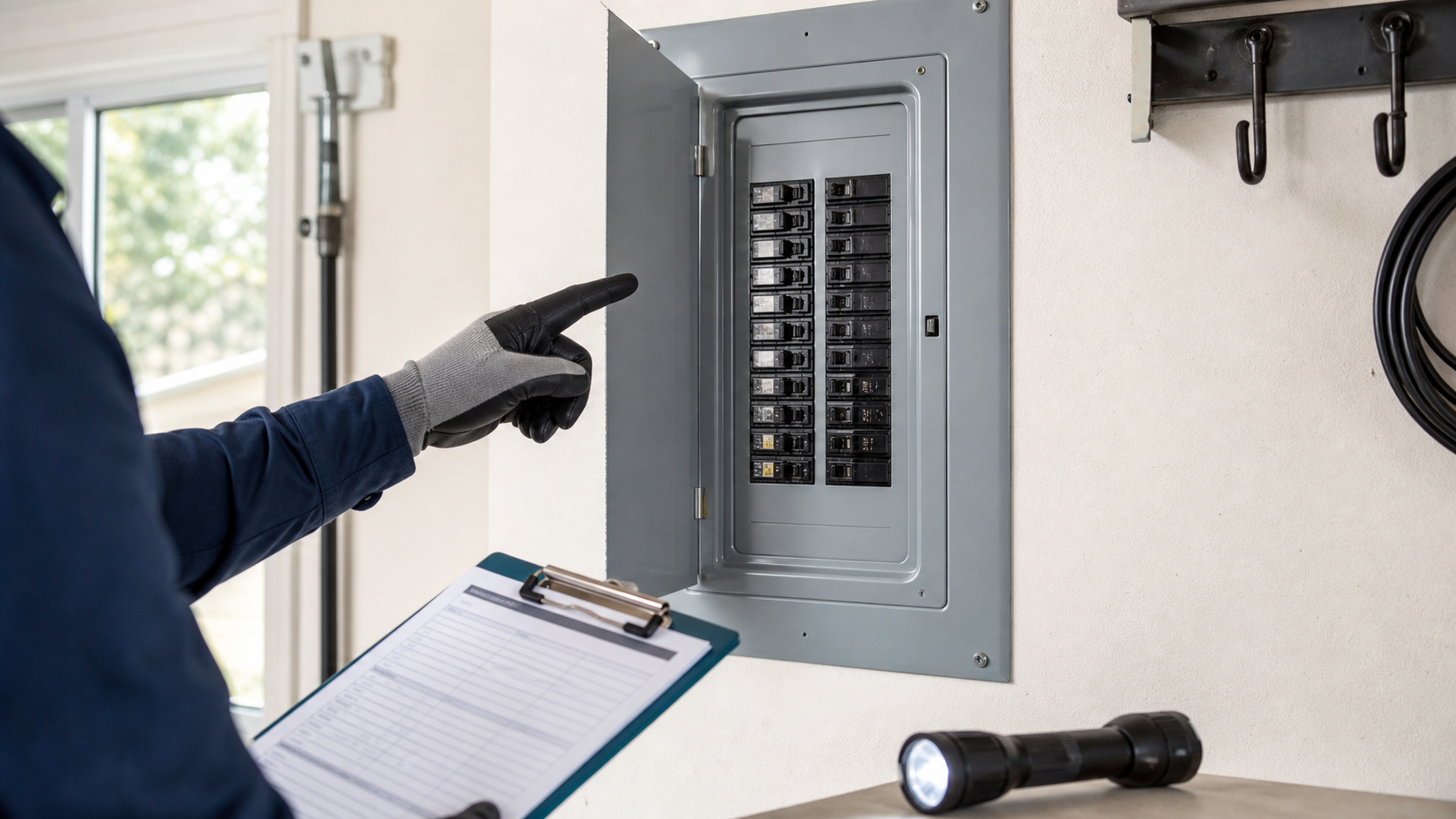
Sometimes repairs make sense. Small corrections, clear safety items, or documented fixes by a licensed electrician can make a traditional listing smoother. But larger electrical projects can be costly, slow, and disruptive, especially when walls need to be opened or service upgrades require coordination.
Before approving work, compare:
- The electrician’s estimate and the likely final cost
- Permit, inspection, and utility coordination timelines
- Whether the repair will meaningfully increase your net proceeds
- Whether buyers may still ask for additional credits
- Your holding costs while the work is scheduled and completed
- Your tolerance for showings, re-inspections, and negotiation
If you decide to repair before selling, verify the contractor’s license. The California Contractors State License Board offers a license lookup tool and consumer guidance for hiring contractors. Electrical work is not the place to rely on unclear qualifications or undocumented fixes.
Why Buyers React Strongly to Electrical Findings
Electrical findings can change a buyer’s thinking quickly. A buyer may love the location and layout, then become cautious when an inspector recommends panel replacement, wiring evaluation, or further review by an electrician.
The U.S. Consumer Product Safety Commission warns homeowners not to inspect or repair wiring without proper training, especially with aluminum wiring concerns. That type of safety language can make buyers ask for licensed evaluations instead of informal explanations.
Common buyer requests after an inspection include repair credits, price reductions, seller-paid work, electrician access, or longer contingencies. None of those requests are automatically wrong, but they can make the sale feel uncertain.
Documents to Gather Before You Decide
A clean file helps whether you list, sell as-is, or request a cash offer. Try to collect:
- General home inspection reports
- Electrical inspection reports or electrician estimates
- Panel upgrade receipts, warranties, and permits
- Invoices for outlet, breaker, lighting, or wiring repairs
- Photos of known issue areas
- Any insurance or claim paperwork tied to electrical damage
- Notes about when problems appeared and what was done
You do not need a perfect file to sell, but better documentation helps buyers, escrow teams, and advisors understand the situation faster.

When a Cash Offer May Be Worth Comparing
A direct cash offer may be worth comparing if the electrical work is expensive, the home has other repairs, the property is vacant, you inherited the house, you are relocating, or you simply do not want months of contractor coordination before selling.
The key is to compare net numbers, not just the possible list price. A traditional sale may look higher at first, then shrink after repairs, credits, commissions, holding costs, staging, and delays. A cash offer can give you a simpler baseline: what you could receive without fixing the electrical system first.
You can also review our guides on selling without making repairs, selling a fixer-upper, and questions to ask a direct buyer.
FAQ: Selling a Bay Area House With Electrical Problems
Do I have to upgrade the electrical panel before selling?
Not always. Some sellers upgrade the panel, some list as-is, and some compare a cash offer. The right choice depends on cost, timing, buyer demand, and your desired certainty.
Will old wiring scare buyers away?
It can make some buyers cautious, especially if an inspector recommends further evaluation. Clear disclosures, documentation, and realistic pricing can reduce surprises.
Can a cash buyer purchase the house without electrical repairs?
Often, yes. Direct cash buyers commonly evaluate repair needs as part of the offer and may buy the property as-is without requiring the seller to complete electrical work first.