
If you need to sell a Bay Area house with water damage, you may be wondering whether to repair everything first, disclose the issue and list as-is, or skip the traditional market altogether. A burst pipe, failed water heater, dishwasher leak, storm intrusion, or damp lower level can quickly turn a normal sale into a more complicated decision.
The good news is that water damage does not automatically make a home unsellable. The key is understanding what happened, whether the source is fixed, how much documentation you have, and what kind of buyer is most likely to move forward without repeated delays.

What Water Damage Means When Selling a Bay Area House
Bay Area homes can face moisture problems for many reasons: older plumbing, hillside drainage, flat roof areas, coastal fog, clogged gutters, aging appliance lines, crawlspace dampness, and winter storms. Buyers usually want to know two things: where the water came from and whether the problem is still active.
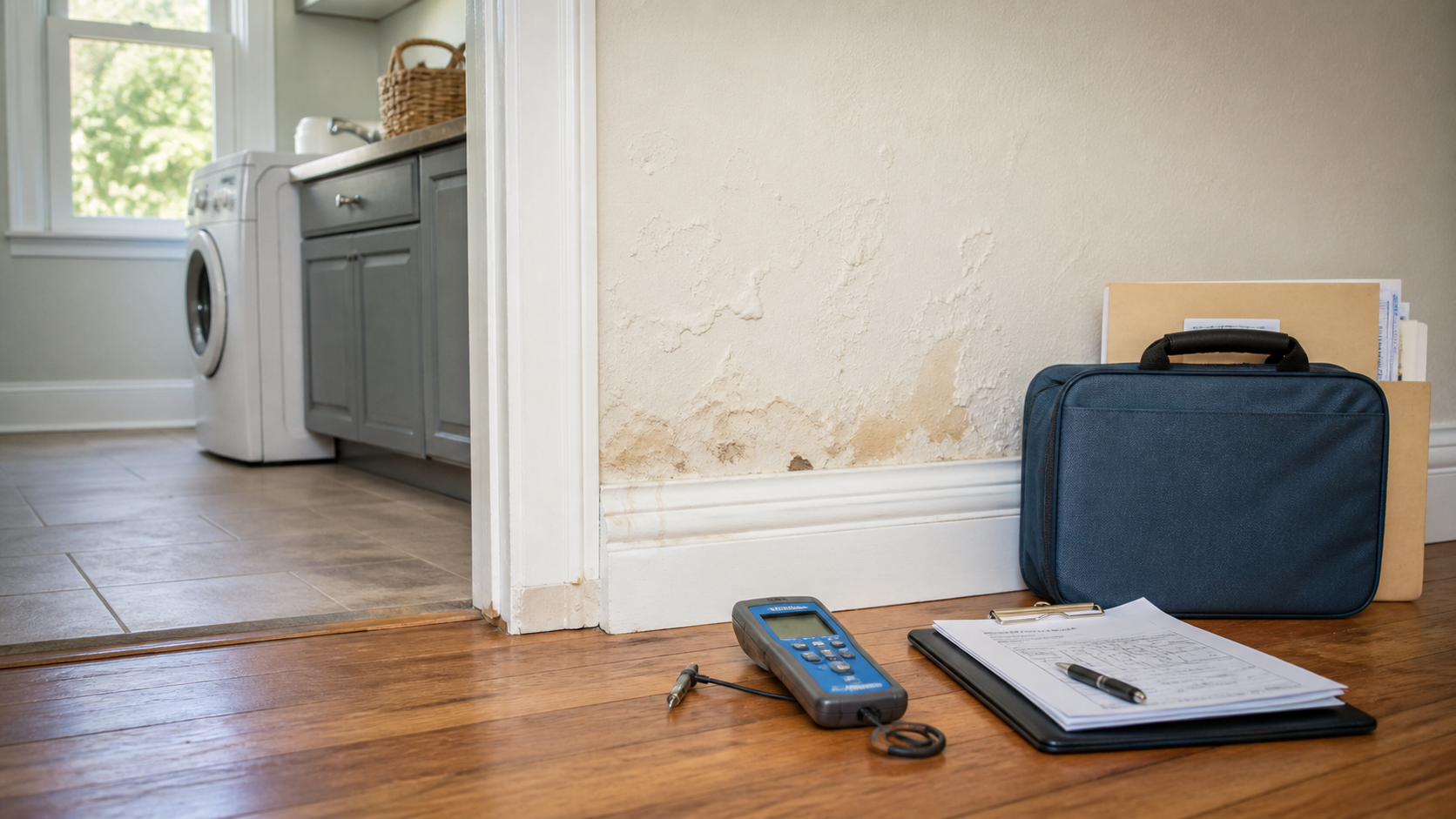
Visible damage may include stained drywall, swollen baseboards, cupped flooring, damaged cabinets, musty odors, peeling paint, or evidence of previous repairs. Even if the home looks dry today, buyers may ask for repair records, inspection reports, photos, insurance claim information, or contractor estimates.
California sellers should take disclosure seriously. The California Department of Real Estate explains that buyers receive disclosures such as the Transfer Disclosure Statement, which covers known physical conditions and defects. California Civil Code disclosure rules are published through California Legislative Information.
Should You Repair Water Damage Before Listing?
Sometimes repairs make sense. If the damage is small, the source is obvious, and you have enough time, fixing the leak and replacing damaged finishes may help traditional buyers feel more comfortable.
But repairs can get expensive fast if the damage is hidden behind cabinets, under flooring, or inside wall cavities. A simple patch may not satisfy a buyer if an inspection raises questions about moisture, mold, electrical exposure, subfloor damage, or drainage.
Before spending money, gather the basics:
- The likely water source and whether it has been stopped
- Photos from before, during, and after cleanup
- Any plumber, roofer, restoration, or contractor invoices
- Insurance claim paperwork, if a claim was opened
- Moisture readings, remediation reports, or inspection notes
- Written estimates for unfinished repairs
When Repairs May Help
Repairs may help if the property is otherwise market-ready, the cost is predictable, and you can finish the work with licensed, documented contractors. This is especially true when the damaged area is cosmetic and the buyer pool is likely to include financed buyers who expect a clean inspection.
When Selling As-Is May Be Better
Selling as-is may be better if you are facing a tight timeline, limited cash, uncertain repair scope, repeated leaks, an inherited or vacant property, or an older home where opening one wall could reveal more work. In those cases, the simpler question is not “Can this be fixed?” It is “Do I want to manage the fix before I sell?”
How Water Damage Affects Buyers, Loans, and Inspections
Traditional buyers may still make offers, but water damage can create friction. A buyer may request credits, repairs before closing, longer inspection periods, or specialist reports. Lenders and insurers may also care if the damage appears active, unsafe, or connected to habitability concerns.
The EPA’s flooded homes guidance notes that flooded homes can involve hazards such as mold, bacteria, lead paint, asbestos, and drying concerns. Even when a Bay Area property has a smaller plumbing leak instead of a flood, buyers often think in terms of those same risks.
If flood risk is part of the concern, homeowners and buyers can review official mapping tools through the FEMA flood maps program. Local drainage, creek proximity, hillside runoff, and past storm events may still require separate local review.
Your Main Options for Selling
Most water-damaged home sales fall into one of three paths.
- Repair first, then list. This can work if the repair scope is clear and you want to target retail buyers.
- List as-is with disclosures. This may attract investors, contractors, or buyers willing to negotiate around repairs.
- Request a direct cash offer. This can reduce showings, repair coordination, financing concerns, and long inspection negotiations.
If you are comparing options, useful internal resources include our guides on selling without making repairs, selling a vacant Bay Area home, and cash home buyers in San Francisco. You can also review how our cash-offer process works.

FAQ: Selling a Bay Area House With Water Damage
Can I sell a house with water damage in California?
Yes. Many homes with water damage can be sold, but known issues should be disclosed properly. The best sale path depends on whether the source is fixed, how much damage remains, and whether the buyer is comfortable with repairs.
Do I have to fix water damage before selling?
Not always. Some sellers repair before listing, while others sell as-is and let the buyer handle the work after closing. A cash buyer may be more flexible if the repairs are unfinished or hard to estimate.
Will water damage lower my sale price?
It can. Buyers may factor in repair costs, risk, inspection uncertainty, and the time needed to restore the home. Strong documentation can help reduce uncertainty, but serious damage usually affects pricing.