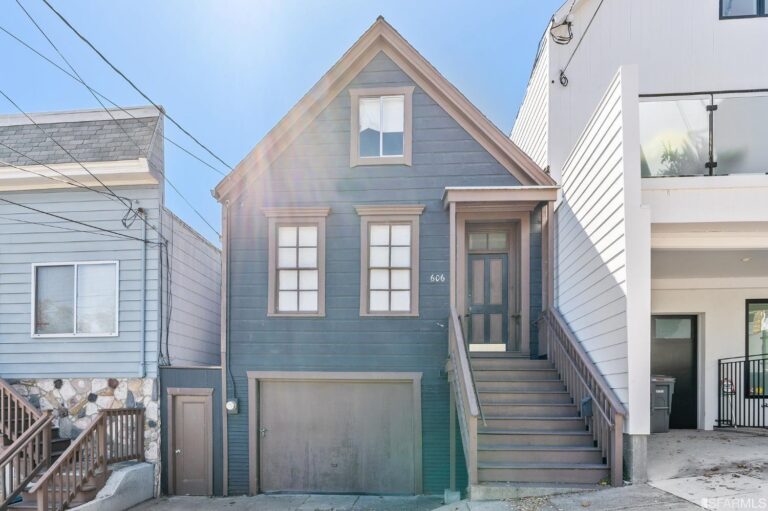

If you own a fixer-upper in San Francisco, you may be wondering whether it makes sense to renovate before selling or list the property as-is. In a competitive Bay Area market, homes in need of repairs can still attract strong interest — but the selling strategy matters.
Understanding your options can help you avoid unnecessary expenses, delays, and uncertainty.
What Qualifies as a Fixer-Upper?
A fixer-upper typically refers to a property that requires noticeable repairs or updates before reaching full market value. This may include:
- Outdated kitchens or bathrooms
- Roof or foundation concerns
- Electrical or plumbing upgrades
- Deferred maintenance
- Cosmetic wear from long-term occupancy
In high-cost markets like San Francisco, even minor renovation costs can quickly add up.
Renovate Before Selling vs. Sell As-Is
Some homeowners consider investing in renovations before listing. While upgrades can increase potential list price, they also introduce risk.
Renovation risks include:
- Unexpected repair costs
- Contractor delays
- Permit requirements
- Market fluctuations during renovation
Selling as-is eliminates many of these uncertainties. Buyers who specialize in fixer-uppers often evaluate properties based on future potential rather than current condition.
How Fixer-Uppers Are Valued
Buyers typically assess:
- After-repair value (ARV)
- Estimated renovation costs
- Holding costs and timeline
- Local neighborhood demand
This is why some offers may appear lower than comparable move-in-ready homes — but they reflect the cost and risk of renovation.
Common Situations Where Owners Sell Fixer-Uppers
- Inherited properties
- Homes with long-term deferred maintenance
- Financial hardship
- Out-of-state ownership
- Tenant-occupied properties
For many sellers, speed and certainty outweigh the goal of maximizing list price.
Is Listing on the Open Market the Best Option?
Listing a fixer-upper through traditional channels can work, but it often requires:
- Cleaning and staging
- Inspections and disclosures
- Negotiations following inspection reports
- Buyer financing approvals
Inspection findings can lead to renegotiations or canceled contracts, extending the timeline.
A Direct-Sale Alternative
Some homeowners explore direct property buyers who purchase homes in their current condition. This approach can provide:
- No repair requirements
- No agent commissions
- Flexible closing timelines
- Reduced risk of deal fall-through
Understanding your options before investing in repairs can help you make a more informed decision. Exploring both traditional listings and direct-sale approaches allows you to choose what aligns best with your timeline and goals.
Conclusion
Selling a fixer-upper in San Francisco does not necessarily mean taking on renovation costs. While updating a property may increase list price, it also introduces risk and delay.
Evaluating the true cost of repairs, market timing, and your personal priorities can help determine the right path forward.