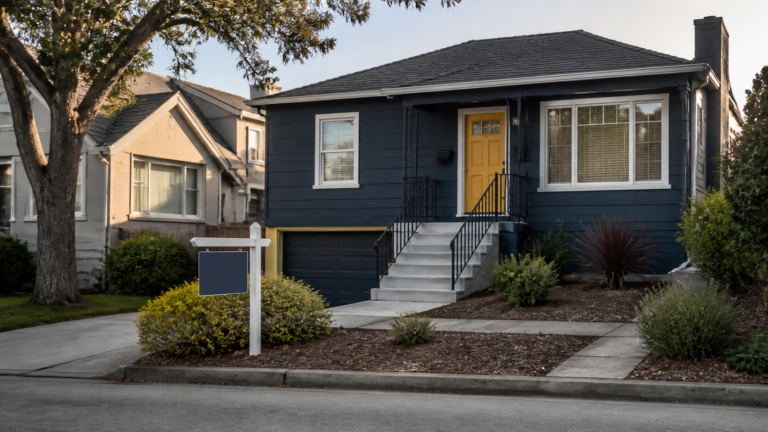
If you need to sell a Bay Area house with mold problems, you may be worried buyers will walk away as soon as they hear the word “mold.” Maybe there is a musty smell in a lower room, old water staining near a window, mildew in a bathroom, or a larger issue from a roof leak, plumbing leak, or past flooding.
Mold does not automatically make a home unsellable. It does, however, change how buyers think about inspections, repairs, health concerns, disclosures, financing, and price. The best path depends on the size of the problem, whether the moisture source has been fixed, and how much time and money you want to put into the property before selling.

Why Mold Problems Matter During a Bay Area Sale
Bay Area homes can be vulnerable to moisture because of older construction, hillside drainage, coastal fog, flat roofs, crawlspaces, aging plumbing, and tightly enclosed rooms with limited ventilation. Even a small visible patch can make buyers wonder what is happening behind walls, under flooring, or inside cabinets.
The EPA explains that the key to mold control is moisture control. In other words, wiping a surface is rarely enough if the leak, condensation, or dampness problem is still active.
Common buyer concerns include:
- Whether the mold is limited or widespread
- Whether the water source has been repaired
- Whether drywall, flooring, cabinets, or insulation need removal
- Whether a professional remediation company is needed
- Whether sensitive occupants may have health concerns
- Whether the issue will affect appraisal, insurance, or financing
Before You Sell a Bay Area House With Mold Problems
Start by separating what you know from what you suspect. A homeowner does not need to diagnose every hidden condition, but known leaks, past water damage, visible mold, prior remediation, and inspection reports should be handled carefully.
Gather any records that help explain the situation:
- Roof, plumbing, window, drainage, or HVAC repair invoices
- Photos showing the area before and after cleanup
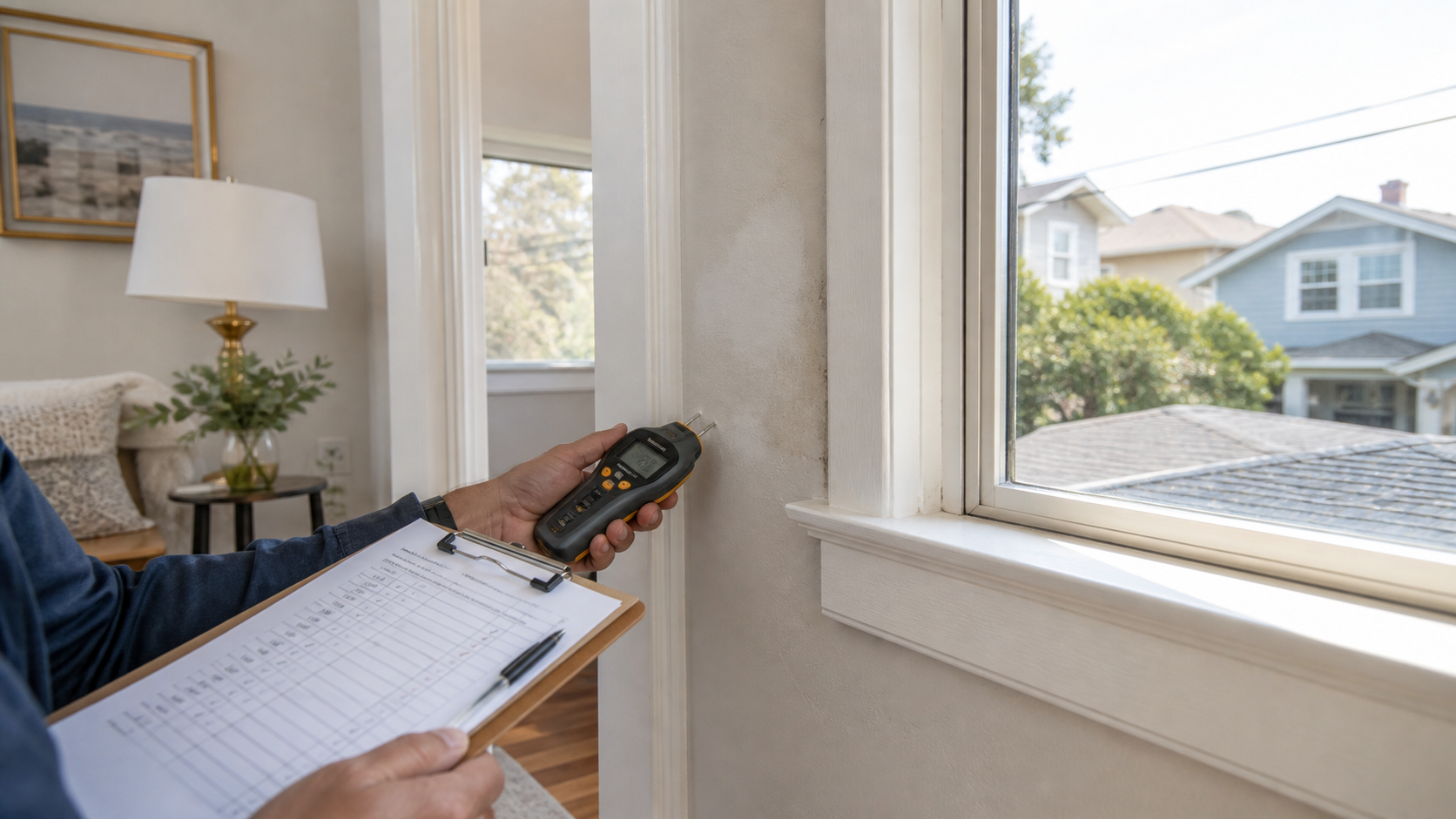
- Moisture readings, mold inspection reports, or contractor notes
- Remediation receipts, clearance reports, or warranties
- Insurance correspondence, if a claim was opened
- Prior seller disclosures from when you bought the home
Should You Fix Mold Before Listing?
Sometimes repair before listing makes sense. If the problem is small, the source is obvious, and the cost is manageable, correcting it may reduce buyer objections. The EPA says small areas under about 10 square feet can often be handled by homeowners in many cases, while larger water damage or mold growth may call for professional guidance.
Repairing first may help if:
- The moisture source is already fixed
- The mold is limited and accessible
- You can document the cleanup clearly
- You have time before listing
- The likely sale price increase is greater than the cost and delay
But repairs can also expand quickly. Opening a wall may reveal more damage. Contractors may be booked out. A buyer may still request credits, testing, or more work even after you pay for cleanup. For some sellers, especially those dealing with an inherited property, vacant home, tight deadline, or limited repair budget, selling as-is may be more practical.
Disclosures Are Usually the Part to Take Most Seriously
California sellers should be careful with known mold and moisture issues. The California Department of Real Estate describes the Transfer Disclosure Statement as covering the property’s physical condition, hazards, defects, special assessments, and other factors that may affect value or desirability. California Civil Code Section 1102.1 also makes clear that known facts materially affecting value or desirability may need to be disclosed, even in an as-is sale.
Selling As-Is With Mold Problems
A traditional listing can still work, but expect buyers to ask questions. Some may request mold testing, contractor bids, repair credits, price reductions, or extended inspection contingencies. If the buyer is using financing, the lender or appraiser may also react to visible damage or unsafe conditions.
An as-is cash sale can reduce some of that friction. A local buyer who regularly handles repair-heavy properties may be willing to evaluate the home based on current condition, make an offer without requiring you to remediate first, and close on a timeline that works for you.
This can be useful if you want to avoid:
- Paying for remediation before knowing your net sale price
- Coordinating contractors, testing, and clearance reports
- Keeping a vacant or damp property maintained during listing
- Renegotiation after buyer inspections
- Open houses and repeated explanations about the same issue

How to Compare Your Options
Before choosing a path, compare the realistic net result. A higher listing price may not mean a higher final outcome if you must pay for cleanup, repairs, inspections, staging, holding costs, credits, commissions, and months of uncertainty.
Ask yourself:
- Do I know the source of the moisture?
- Can I afford repairs if the scope grows?
- Do I need to sell quickly?
- Will the home be occupied, vacant, or hard to show?
- Would a clean as-is offer give me more certainty?
For related local selling options, you can also review how our cash-offer process works, our guide to selling a fixer-upper in San Francisco, and tips for selling a vacant Bay Area home.
FAQ: Selling a Bay Area Home With Mold
Can I sell a house with mold in California?
Yes. Mold does not automatically prevent a sale, but known mold, moisture damage, leaks, and remediation history should be handled carefully in disclosures. Buyers may also request inspections, repairs, credits, or price adjustments.
Do I have to remove mold before selling?
Not always. Some sellers repair first to reduce buyer objections. Others sell as-is when repairs are expensive, uncertain, or too slow. The right choice depends on the condition, timeline, budget, and expected net proceeds.
Will buyers walk away if a home has mold problems?
Some traditional buyers may walk away, especially if they have health concerns or financing restrictions. Others may stay interested if the price, documentation, and repair plan make sense. Cash buyers are often more comfortable evaluating as-is condition.
Can We Buy Properties buy my Bay Area house as-is with mold problems?
Yes. We Buy Properties in Bay Area can review the property in its current condition and make a no-obligation cash offer, so you can compare that option against repairing and listing.