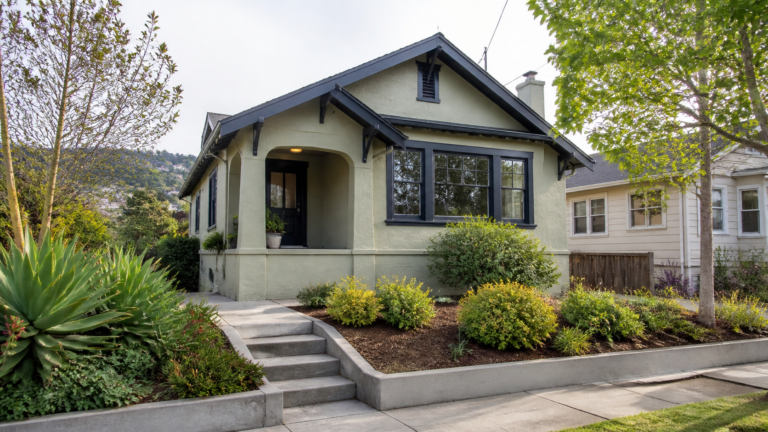
If you need to sell a Bay Area house with unpermitted work, you may be wondering whether the issue will scare buyers away. Maybe a prior owner finished a basement, converted a garage, added a bathroom, enclosed a porch, built a deck, or remodeled without final inspection records. Sometimes the work looks fine, but the paperwork is missing.
Unpermitted work does not automatically make a property impossible to sell. It does, however, affect disclosures, buyer confidence, financing, appraisal review, insurance questions, and the amount of uncertainty you are willing to carry through escrow.
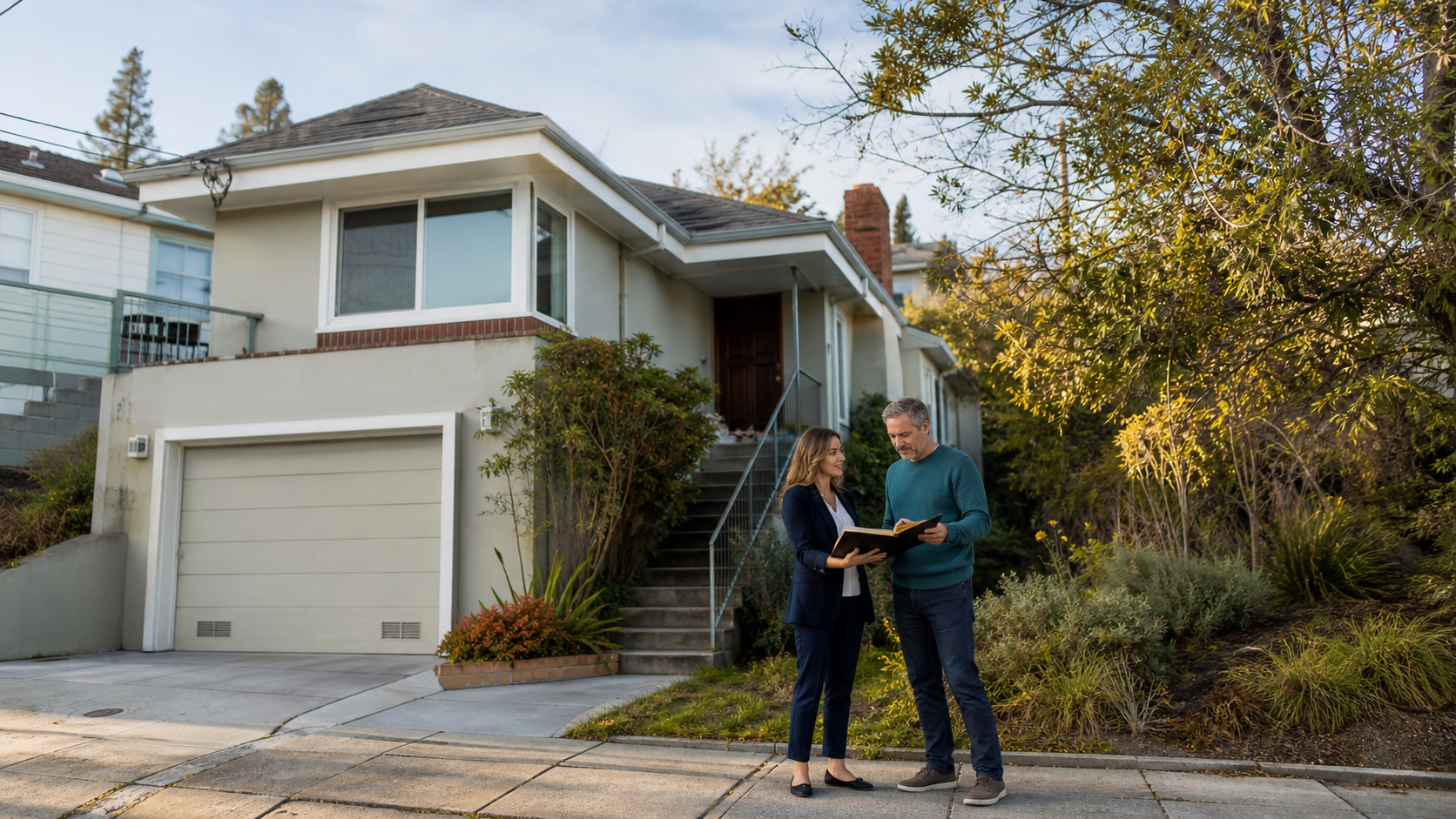
Why Unpermitted Work Matters During a Bay Area Sale
Bay Area buyers often pay close attention to permitted square footage, legal bedroom and bathroom count, and whether a lower-level unit or converted garage is legally recognized. A buyer may like the extra space, but their lender, appraiser, inspector, or insurance company may treat it differently if permit records do not support it.
Common examples include:
- Garage, attic, or basement conversions
- Bathrooms or kitchens added without final permits
- Decks, stairs, retaining walls, or structural changes
- Bedroom additions not reflected in public records
- Electrical, plumbing, or HVAC upgrades without documentation
- Separate living areas that may not be legal dwelling units
Before You Sell a Bay Area House With Unpermitted Work
Start by figuring out what you actually know. Sellers do not need to become building-code experts, but buyers will expect honest answers about known remodels, additions, defects, and permit history.
In San Francisco, the Department of Building Inspection says a Report of Residential Building Record, often called a 3R Report, is needed before the sale or exchange of most residential buildings. DBI notes that a 3R Report contains building permit history, but not plumbing or electrical permits. That distinction matters because a property may have some records but still be missing trade permits or final inspections.
Useful records to gather include:
- Permit history from the city or county building department
- Final inspection cards, certificates, or completion records
- Old contractor invoices, plans, photos, or warranties
- Prior disclosures from when you purchased the property
- Appraisal, inspection, or insurance notes mentioning the work
- Any notice of violation, correction notice, or open permit status

Disclosures Are Usually the Bigger Issue Than the Work Itself
California real estate disclosures are broad. The California Department of Real Estate describes the Transfer Disclosure Statement as covering the property’s physical condition, hazards, defects, special assessments, and other factors that may affect value or desirability. If you know about unpermitted work, do not hide it and hope no one asks.
California Civil Code Section 1102.6h also created added disclosure requirements for certain recent single-family home resales. For offers accepted on or after July 1, 2024, sellers who accept an offer within 18 months of taking title must disclose certain room additions, structural modifications, alterations, or repairs performed by contractors, and provide permit copies if they obtained them.
Should You Legalize the Work Before Selling?
Sometimes it makes sense to pursue retroactive permits or final inspections before listing. If the work is simple, safe, and likely to pass, completing the paperwork may improve buyer confidence and reduce negotiation pressure.
But legalization can also become expensive. A city may require plans, inspections, demolition of concealed work, engineering review, fire-safety upgrades, zoning review, or corrections that cost more than expected. If the work created an illegal unit or changed legal occupancy, the timeline can become even more complicated.
Before spending money, ask:
- Is there an open permit or no permit at all?
- Does the work affect structure, plumbing, electrical, or life safety?
- Would corrections require opening walls or removing finished areas?
- Will legalization improve the sale price enough to justify the cost?
- Can your timeline handle city review and contractor scheduling?
Selling Options When Permit History Is Messy
1. Fix or legalize before listing
This may work if the scope is limited and you have enough time. The tradeoff is upfront cost, city review, and the risk that inspectors require more corrections than expected.
2. List traditionally with clear disclosures
You can list the home as-is, disclose what you know, and let buyers decide how much risk they are comfortable with. Expect questions during inspections, appraisal, and loan review.
3. Compare a direct cash offer
A local cash buyer can evaluate the home with the permit issue included. This can be useful if you do not want to open walls, manage contractors, wait for city review, or risk a financed buyer canceling late. For related context, see our guides on selling without making repairs, selling a fixer-upper in San Francisco, and how our cash-offer process works.

FAQ: Selling With Unpermitted Work
Can I sell a house with unpermitted work in the Bay Area?
Often, yes. The key is understanding what work was done, disclosing known issues properly, and choosing a sale path that matches your timeline and risk tolerance.
Will unpermitted work lower my sale price?
It can. Buyers may discount for uncertainty, repairs, legalization costs, appraisal concerns, or future resale risk. The impact depends on the type and quality of the work.
Do I have to get retroactive permits before selling?
Not always. Some sellers legalize work before listing, while others disclose known issues and sell as-is. Ask a local professional what applies to your property.
Get a Cash Offer Before You Start Opening Walls
If you want to sell a Bay Area house with unpermitted work, you do not have to guess whether repairs, permits, or a traditional listing are worth it. We Buy Properties in Bay Area can review the property as-is and give you a clear cash offer with no repairs, no showings, no agent commissions, and no pressure.