If you need to sell a house with foundation problems Bay Area buyers may notice right away, you are not out of options. Cracks, sloping floors, sticky doors, crawl-space moisture, hillside movement, or an old raised foundation can make a traditional sale harder, but they do not automatically make the home unsellable.
The key is understanding what buyers, lenders, inspectors, and cash buyers will care about before you spend money on repairs. In many cases, the best move is not “fix everything.” It is getting clear on the issue, the likely cost range, and which sale path fits your timeline.
Why Foundation Problems Matter in the Bay Area
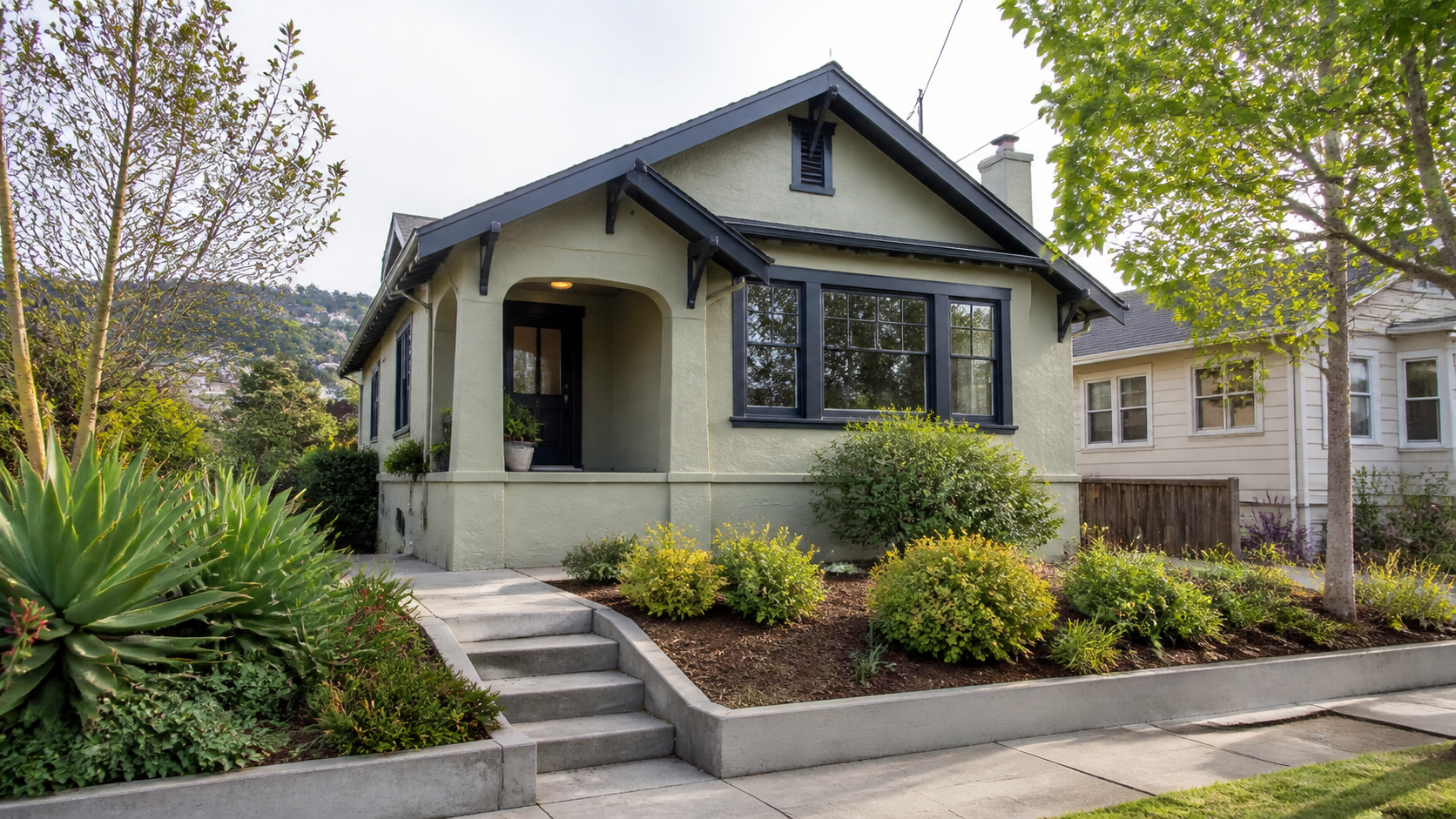
Bay Area homes face a mix of older construction, hillside lots, expansive soils, drainage problems, and earthquake risk. A foundation issue in San Francisco, Oakland, Berkeley, Daly City, San Jose, or the Peninsula may be simple settling, but it may also raise questions about seismic safety or structural repair costs.
The California Earthquake Authority notes that older homes can be strengthened by bolting the house to the foundation and bracing crawl-space walls where needed. That does not mean every home needs the same retrofit, but it shows why buyers may take foundation concerns seriously in this region.
Common signs that can affect a sale include:
- Stairstep cracks in exterior or interior walls
- Uneven, bouncy, or sloping floors
- Doors or windows that no longer close cleanly
- Visible cracking, bowing, or moisture near the foundation
- Gaps around trim, baseboards, or exterior walls
- Old post-and-pier supports, unbraced cripple walls, or hillside movement
Can You Sell a House With Foundation Problems Bay Area Buyers Will Still Consider?
Yes, but the buyer pool may change. A retail buyer using a loan may want repairs completed, credits negotiated, or engineering reports before closing. Some lenders may become cautious if the foundation issue appears serious, because the home is collateral for the loan.
An investor or direct cash buyer may be more comfortable buying the property as-is, especially if they already expect repairs after closing. That can be useful when you do not want to manage contractors, expose the home to repeated inspections, or wait months for a buyer who can accept the risk.
Your Main Options Before Selling
1. Get an inspection or contractor opinion
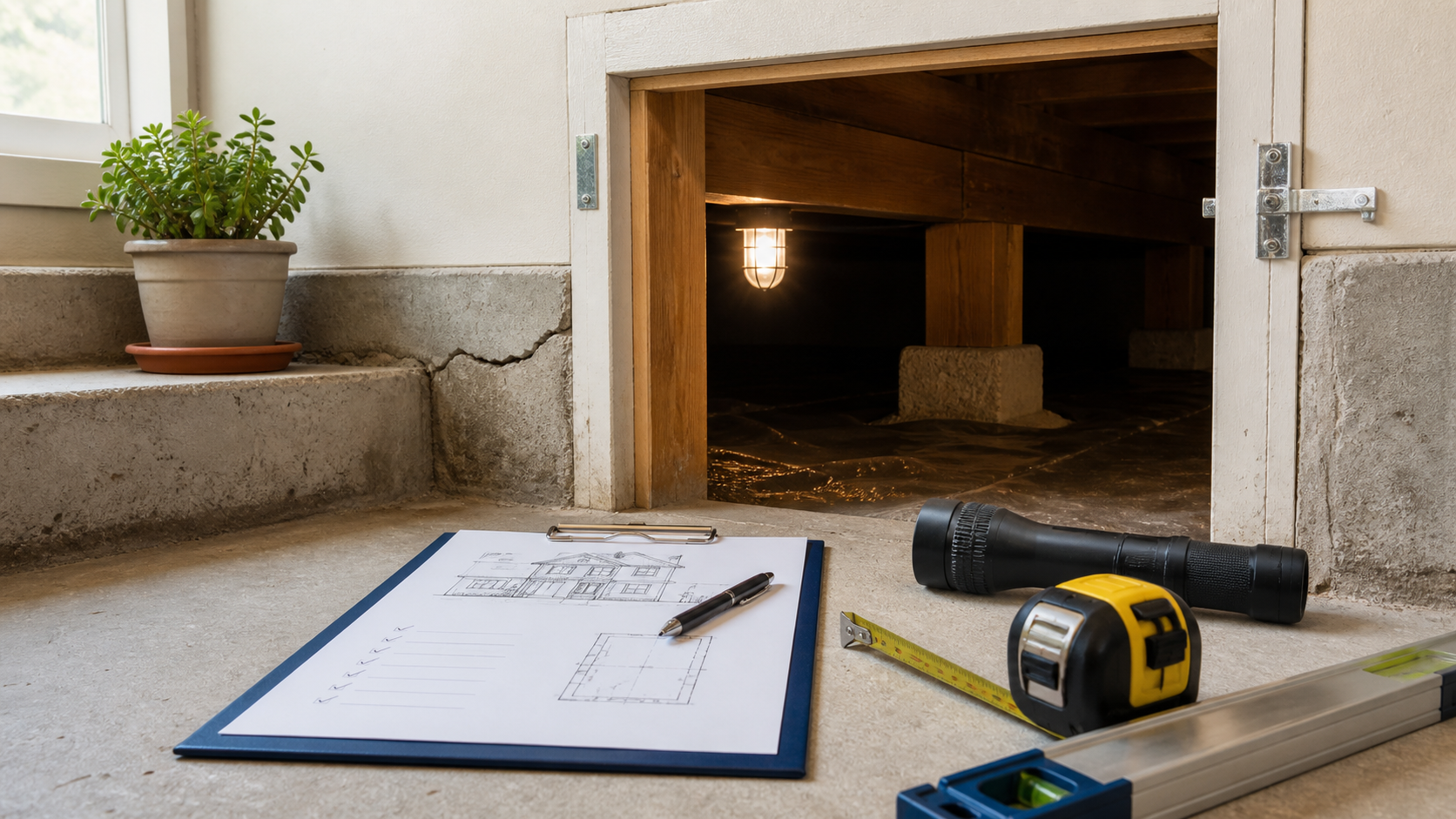
If you are unsure how serious the issue is, a structural engineer, foundation contractor, or experienced inspector can help you separate cosmetic cracking from a bigger structural concern. A written opinion may also help you answer buyer questions more confidently.
2. Collect repair bids, but do not rush into work
Foundation bids can vary widely depending on access, soil, drainage, permits, seismic work, and whether the home is occupied. Getting more than one estimate can be smart, but starting a major project before deciding how you want to sell can create delays and cost overruns.
3. List traditionally with full disclosure
A traditional listing can work if you have time, the home shows well, and the issue is manageable. You may still need to price for the condition, negotiate credits, and disclose known defects. California’s Transfer Disclosure Statement rules are an important reminder that sellers should be upfront about known property conditions.
4. Sell as-is for cash
An as-is cash sale may make sense if the repair cost is high, the home is difficult to show, you inherited the property, you are relocating, or you simply do not want to coordinate foundation work. A direct buyer can evaluate the home’s current condition and make an offer that accounts for repairs after closing.
What to Gather Before Requesting Offers
You do not need a perfect file, but a few documents can make conversations smoother:
- Inspection reports, repair bids, or engineering notes
- Photos of cracks, crawl-space areas, drainage, or retaining walls
- Any permits or retrofit records you already have
- Insurance claim documents, if applicable
- Known drainage, moisture, or soil movement history
- Your ideal closing timeline and whether the home will be vacant
If you do not have these items, that is okay. A buyer experienced with as-is Bay Area homes can still walk through the property and help you understand the practical next step.

How Foundation Problems Affect Price
Foundation problems usually affect price because buyers factor in repair cost, uncertainty, time, and risk. A small crack may have little impact if an inspector can explain it. A hillside foundation, drainage failure, or unbraced older structure may require deeper due diligence.
The most important question is not only “What will the repair cost?” It is also “Who is willing to buy the home in this condition, and how much certainty do I need?” A higher theoretical list price may not help if the sale falls apart after inspections or financing review.
Helpful Internal and External Resources
- See how a direct sale works: How It Works
- Compare buyer expectations: What to Look for When Working With a Direct Buyer
- Understand selling obstacles: 4 Things That Are Keeping Your House From Selling
- Review earthquake retrofit information from the California Earthquake Authority
- Review California disclosure language through California Civil Code Section 1102.6
FAQ: Selling a Bay Area House With Foundation Problems
Do I have to repair foundation problems before selling?
No. Many homeowners sell as-is, especially when repairs are expensive or uncertain. You may still need to disclose known issues and price the home appropriately.
Will a foundation problem scare away all buyers?
Not all buyers, but it can narrow the buyer pool. Cash buyers and investors are often more flexible than buyers relying on traditional financing.
Should I get a foundation inspection before requesting a cash offer?
It can help, but it is not required. If you already have reports or bids, share them. If not, an experienced buyer can still review the property condition.
Want a Clear Cash Offer Without Starting Foundation Repairs?
If you need to sell a house with foundation problems Bay Area contractors, inspectors, or buyers have already raised concerns about, We Buy Properties in Bay Area can help you compare your options. You do not have to repair the foundation, stage the home, or wait for a financed buyer to approve the condition.