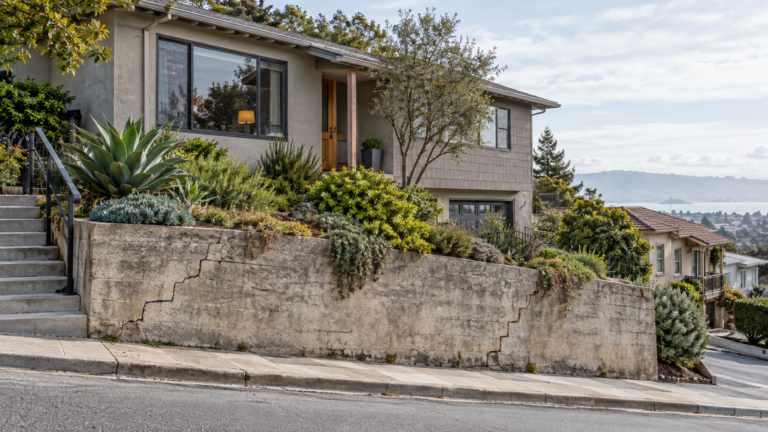

Selling a property that currently has tenants can be more complex than selling a vacant home. In the Bay Area, local housing regulations and tenant protections often influence how and when a property can be sold.
If you are considering listing tenant-occupied homes for sale in the Bay Area, understanding your options and responsibilities as a property owner can help avoid delays or legal complications.
Common Reasons Landlords Decide to Sell
Property owners choose to sell tenant-occupied homes for many different reasons. Some of the most common include:
- Rising maintenance or repair costs
- Changes in rental regulations
- Relocation or retirement plans
- Market conditions favoring sellers
- Inherited rental properties
In these situations, selling may provide a way to simplify property management responsibilities.
Understanding Tenant Rights in the Bay Area
The Bay Area is known for having strong tenant protection laws. Depending on the city and the terms of the lease, tenants may have rights that affect the timing of a property sale.
Important considerations may include:
- Lease agreements and expiration dates
- Local rent control rules
- Required notice periods
- Tenant relocation requirements in some jurisdictions
Reviewing these factors before listing a property can help prevent unexpected delays.
Showing a Tenant-Occupied Property
Scheduling showings can be more challenging when tenants are living in the home. Sellers often need to coordinate with tenants to arrange viewing times while respecting proper notice requirements.
Some owners find that traditional open houses are difficult to arrange when tenants prefer privacy or limited disruption.
Options When Selling a Tenant-Occupied Property
Property owners generally consider several approaches when selling tenant-occupied homes:
- Waiting until the lease expires before listing
- Negotiating with tenants to vacate early
- Selling the property with tenants in place
The best option often depends on the lease structure, tenant relationship, and the seller’s timeline.
Financial Considerations
Selling a rental property may involve additional financial considerations compared with a standard home sale.
Owners may want to review:
- Capital gains implications
- Rental income documentation
- Outstanding maintenance obligations
- Property management contracts
Speaking with a financial advisor or tax professional can help clarify how these factors apply.
Understanding local regulations and available selling options can help property owners make informed decisions. Evaluating your timeline and property condition can guide the best approach for your situation.
Conclusion
Selling a tenant-occupied home in the Bay Area requires careful planning and awareness of tenant protections. By understanding lease obligations, local regulations, and potential selling strategies, property owners can navigate the process more smoothly.
Evaluating your options early can help reduce complications and ensure a more predictable sale timeline.