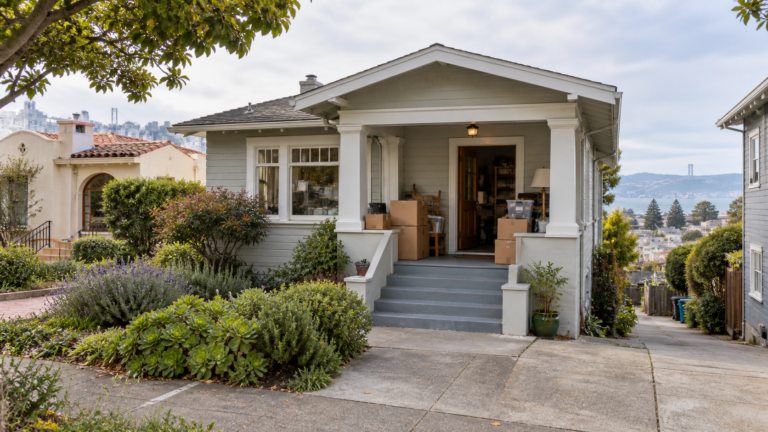
If you need to sell a Bay Area house with a reverse mortgage, the sale can still be straightforward. The main difference is that the reverse mortgage has to be paid off through escrow, just like other secured loans tied to the property.
For many homeowners and families, the confusing part is timing. Reverse mortgages are designed for older homeowners who live in the property as their primary residence. When the home is sold, the borrower moves out permanently, or the last borrower passes away, the loan may become due and payable. A clear plan can help you avoid delays, missed notices, and rushed decisions.
How a Reverse Mortgage Affects a Home Sale
A reverse mortgage is not a traditional monthly-payment mortgage. With a federally insured Home Equity Conversion Mortgage, or HECM, HUD explains that eligible homeowners can access part of their home equity while continuing to own and occupy the home. HUD also notes that the borrower may sell the home and keep any sale proceeds above the reverse mortgage balance.
That means selling is usually possible, but the payoff has to be handled correctly. The title or escrow company will request a payoff from the reverse mortgage servicer, collect funds from the buyer at closing, pay the loan, and distribute any remaining equity to the seller or estate.
- The reverse mortgage balance is paid from sale proceeds at closing.
- The seller does not usually need to pay the full balance before listing.
- Escrow should confirm the current payoff and any deadlines.
- Remaining equity goes to the seller or rightful estate after closing costs and payoffs.
- If the balance is higher than the home value, special HECM rules may apply.
Before You Sell a Bay Area House With a Reverse Mortgage
Start by gathering documents before you accept an offer. This keeps escrow from discovering a problem late in the process.
- Recent reverse mortgage statement
- Servicer contact information
- Any due-and-payable notices
- Property tax and homeowners insurance records
- HOA documents, if the property is a condo or townhome
- Trust, probate, or power-of-attorney paperwork, if someone else will sign
- Repair, occupancy, or property-condition notices from the servicer
The Consumer Financial Protection Bureau says a reverse mortgage can become due and payable after the borrower dies, after eligible protected parties are no longer in the home, or when other loan terms are not met. The California Attorney General also notes that homeowners with reverse mortgages still have ongoing obligations, including taxes, insurance, HOA payments, and property upkeep.

What If the Owner Has Moved or Passed Away?
If the borrower has moved into assisted living, is living with family, or has passed away, do not ignore lender letters. HelpWithMyBank, an OCC consumer resource, explains that an HECM generally becomes due when the borrower sells, permanently moves, fails to live in the home for 12 months in a row, falls behind on required charges, or lets the property deteriorate.
For heirs, the CFPB says the home can often be sold to repay the loan. If the loan balance is more than the home is worth, heirs may be able to satisfy a HECM by selling for at least 95 percent of the appraised value, with mortgage insurance covering the rest. Rules and deadlines matter, so heirs should contact the servicer, a HUD-approved counselor, and an attorney if probate or estate authority is involved.
Selling Options for the Property
1. List traditionally
A traditional listing may work well if the house is in good condition, the payoff is clear, and there is enough time for showings, inspections, buyer financing, and appraisal. This route can take longer, especially if the home needs repairs or the family is coordinating from out of area.
2. Repair before selling
Some reverse mortgage servicers raise concerns when taxes, insurance, occupancy, or maintenance fall behind. If the home also needs work, repairs may improve marketability. The tradeoff is simple: repairs cost money and time before you know what the final sale will actually net.
3. Compare an as-is cash offer
A direct cash sale can be useful when the property is dated, vacant, inherited, needs repairs, or must close before a servicer deadline. A local buyer can review the current condition, coordinate with escrow, and make an offer that accounts for the reverse mortgage payoff and any work needed after closing.
For related guidance, see our posts on selling an inherited house in California, selling a vacant or damaged property, and how our cash-offer process works.

FAQ
Can you sell a house that has a reverse mortgage?
Yes. The reverse mortgage is typically paid off through escrow from the buyer’s funds, and any remaining equity goes to the seller or estate.
Do heirs have to pay the reverse mortgage before selling?
Usually no. If heirs are authorized to sell, the payoff can often be handled at closing. They should confirm deadlines and instructions with the loan servicer.
What if the reverse mortgage balance is higher than the home value?
For many HECM loans, CFPB guidance says heirs may be able to sell for at least 95 percent of the appraised value when the balance exceeds the home’s value. Confirm the details with the servicer.
Can I sell as-is if the home needs repairs?
Yes. An as-is buyer can account for the repairs in the offer, which may help if you do not want to spend money before closing.