
If you need to sell a Bay Area house with termite damage, you may be wondering whether to repair it first, disclose it, discount the price, or avoid the traditional listing process altogether. Termite issues are common in older Bay Area homes, especially properties with wood siding, crawlspaces, decks, moisture problems, or past pest reports.
The good news is that termite damage does not automatically stop a sale. It does, however, change how buyers, lenders, agents, and inspectors look at the property. Knowing your options before you spend thousands on repairs can help you make a calmer decision.

What Termite Damage Means During a Bay Area Sale
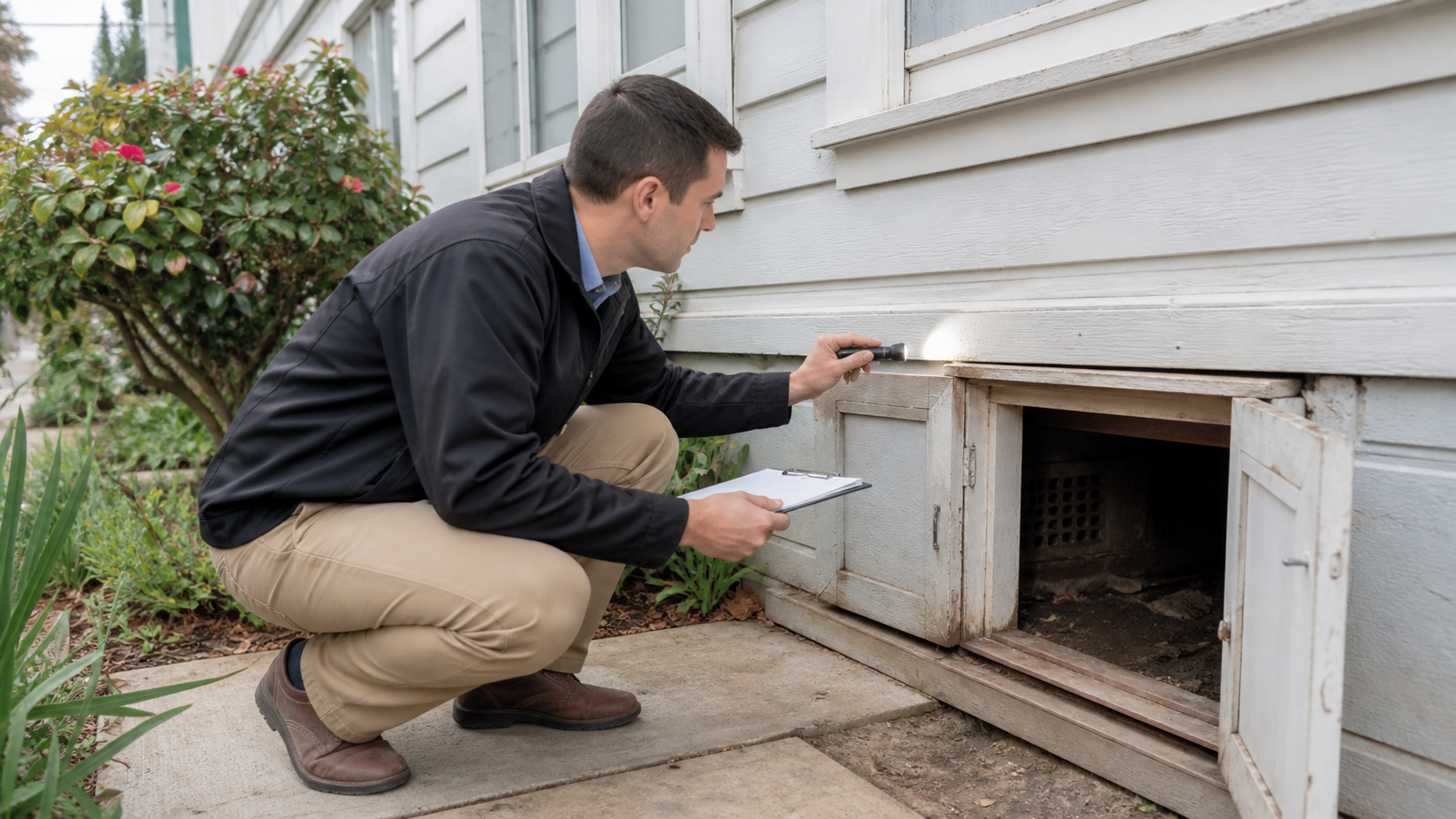
Termite concerns usually come up through a pest inspection, buyer walkthrough, old repair records, or visible wood damage. In California, structural pest control includes inspections and reports for wood-destroying pests and organisms, according to the California Structural Pest Control Board.
A report may point out active termites, dry rot, fungus damage, earth-to-wood contact, damaged trim, deck issues, crawlspace moisture, or wood members that need further evaluation. Some findings are minor. Others can make a buyer nervous or lead to a request for credits, repairs, or a price reduction.
Common Problems Sellers Run Into
Termite damage can create practical problems even when the house is otherwise desirable. Bay Area buyers are often already stretching their budgets, so an unknown repair bill can feel risky.
- Repair estimates can vary. One contractor may recommend localized treatment while another suggests broader repairs.
- Buyers may ask for credits. After inspections, buyers often renegotiate if the pest report is larger than expected.
- Lenders may care. Some financed buyers may need pest-related items addressed before closing.
- Older reports can resurface. If past termite findings were not fully repaired, buyers may ask for documentation.
- Timing gets harder. Fumigation, wood replacement, permits, HOA access, and contractor scheduling can slow the sale.
Quick note: This article is general information, not legal, pest-control, or real estate advice. For property-specific questions, speak with a licensed professional familiar with your house and county.
Should You Repair Termite Damage Before Selling?
There is no single right answer. It depends on the damage, your timeline, your cash position, and the type of buyer you want.
Repairing Before Listing
Repairing termite damage before listing can make sense when the issue is limited, the cost is manageable, and you want to attract retail buyers. A clean report or completed work notice may help buyers feel more comfortable.
The downside is that repairs can expand once walls, trim, decks, or crawlspace areas are opened. If you are trying to sell quickly, waiting on estimates and contractors may not be worth it.
Selling With Disclosures
Some sellers list the property and disclose known termite issues, then let buyers decide how to handle repairs. The California Department of Real Estate explains that sellers commonly provide disclosures about property condition and defects during a sale. You can review the DRE’s consumer disclosure overview here.
This route can work, but expect buyers to factor risk into their offers. If the buyer needs a loan, the transaction may still hit delays if a lender or underwriter wants specific pest items resolved.
Selling As-Is to a Cash Buyer
If you do not want to repair, coordinate fumigation, or keep renegotiating after inspections, an as-is sale may be cleaner. A direct buyer can evaluate the termite damage, repair risk, and resale plan upfront.
That does not mean you should accept the first offer you receive. Compare the net number against likely repair costs, agent commissions, closing timelines, credits, holding costs, and the stress of keeping the sale together.
Documents That Can Help
Before you decide how to sell, gather whatever you already have. Even imperfect records can make conversations more productive.
- Recent or past pest inspection reports
- Fumigation, treatment, or warranty documents
- Contractor estimates for wood replacement
- Receipts for completed repairs
- Photos of damaged or repaired areas
- HOA or property access requirements, if applicable
The Structural Pest Control Board’s WDO search may also help consumers check whether certain wood-destroying organism inspection activity is on file for a California property.
How Termites Affect Price
Termite damage affects price by changing perceived risk. A small trim repair is different from widespread crawlspace damage. Active infestation is different from treated historical damage. A clear paper trail is different from a vague verbal statement.
Buyers may discount for:
- Visible damage they can see during showings
- Unknown repair scope behind walls or under floors
- Temporary relocation during fumigation
- Deck, stair, or structural wood repairs
- Future prevention work such as drainage or soil clearance
The U.S. EPA notes that termites can cause major structural damage nationally and recommends prevention steps such as keeping soil around the foundation dry, fixing leaks, and reducing termite access points. You can read the EPA’s termite guidance here.
When a Cash Offer May Be Worth Comparing
A cash offer can be useful when you want certainty before spending money. This is especially true if the house has active termites, multiple pest estimates, older damage, deferred maintenance, or a sale deadline.
With We Buy Properties in Bay Area, you can request a no-obligation offer and compare it with your other options. You can also review how our process works, learn more about cash home buyers in San Francisco, or read about selling without making repairs.

FAQ: Selling a Bay Area House With Termite Damage
Can I sell a house with active termites?
Yes, a house with active termites can still be sold, but the issue should be handled carefully. Buyers may ask for treatment, credits, a lower price, or proof of completed work. Some sellers choose an as-is cash sale to avoid coordinating repairs before closing.
Do I need a pest inspection before selling?
Not always, but a pest inspection can clarify the scope of the issue before negotiations begin. If you already know there is damage, having a report or estimate may help you compare a traditional listing with a direct as-is offer.
Will termite damage stop a buyer from getting a loan?
It can, depending on the buyer’s loan type, lender requirements, and severity of the damage. Some lenders may require certain pest or safety-related repairs before funding, while cash buyers do not rely on mortgage approval.
Is it better to repair termite damage or sell as-is?
Repairing may help if the damage is limited and you have time. Selling as-is may be better if repairs are expensive, uncertain, disruptive, or likely to delay your plans. The best choice is the one that gives you the strongest net result with the least unwanted risk.