If you need to sell a Bay Area house with earthquake retrofit issues, you may be wondering whether to bolt the foundation, brace cripple walls, hire an engineer, or simply disclose the concern and sell as-is. That question comes up often with older homes in San Francisco, Oakland, Berkeley, Daly City, San Jose, and nearby Bay Area cities.
Seismic concerns do not automatically stop a sale. They do change how buyers look at risk, repair budgets, insurance, lender comfort, and the time it may take to close.
Why Earthquake Retrofit Issues Matter in the Bay Area
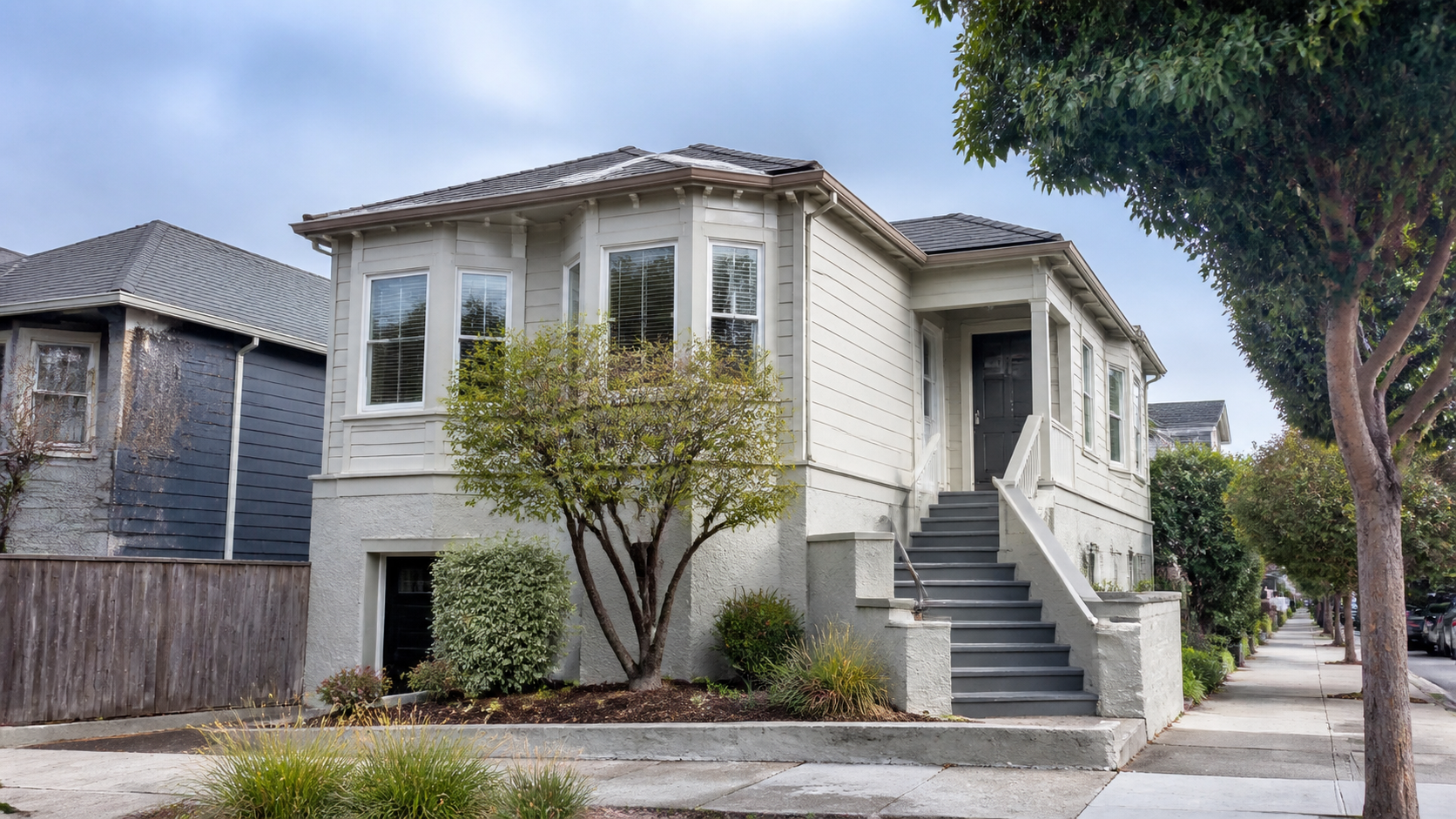
The Bay Area has many homes built before modern seismic standards. A home may have a raised foundation, crawlspace, post-and-pier supports, brick chimney, hillside exposure, living space over a garage, or an older foundation connection that makes buyers ask for more information.
The California Earthquake Authority notes that older raised-foundation homes may benefit from bracing crawlspace walls and bolting the house to the foundation. The California Residential Mitigation Program also lists retrofit grant programs for brace-and-bolt work, living-space-over-garage retrofits, and some multi-unit soft-story conditions.
For sellers, the issue is practical: will a buyer treat the home as a manageable older property, or will seismic uncertainty become a price reduction, repair credit, inspection contingency, or deal breaker?
How to Sell a Bay Area House With Earthquake Retrofit Issues
1. Gather the records first
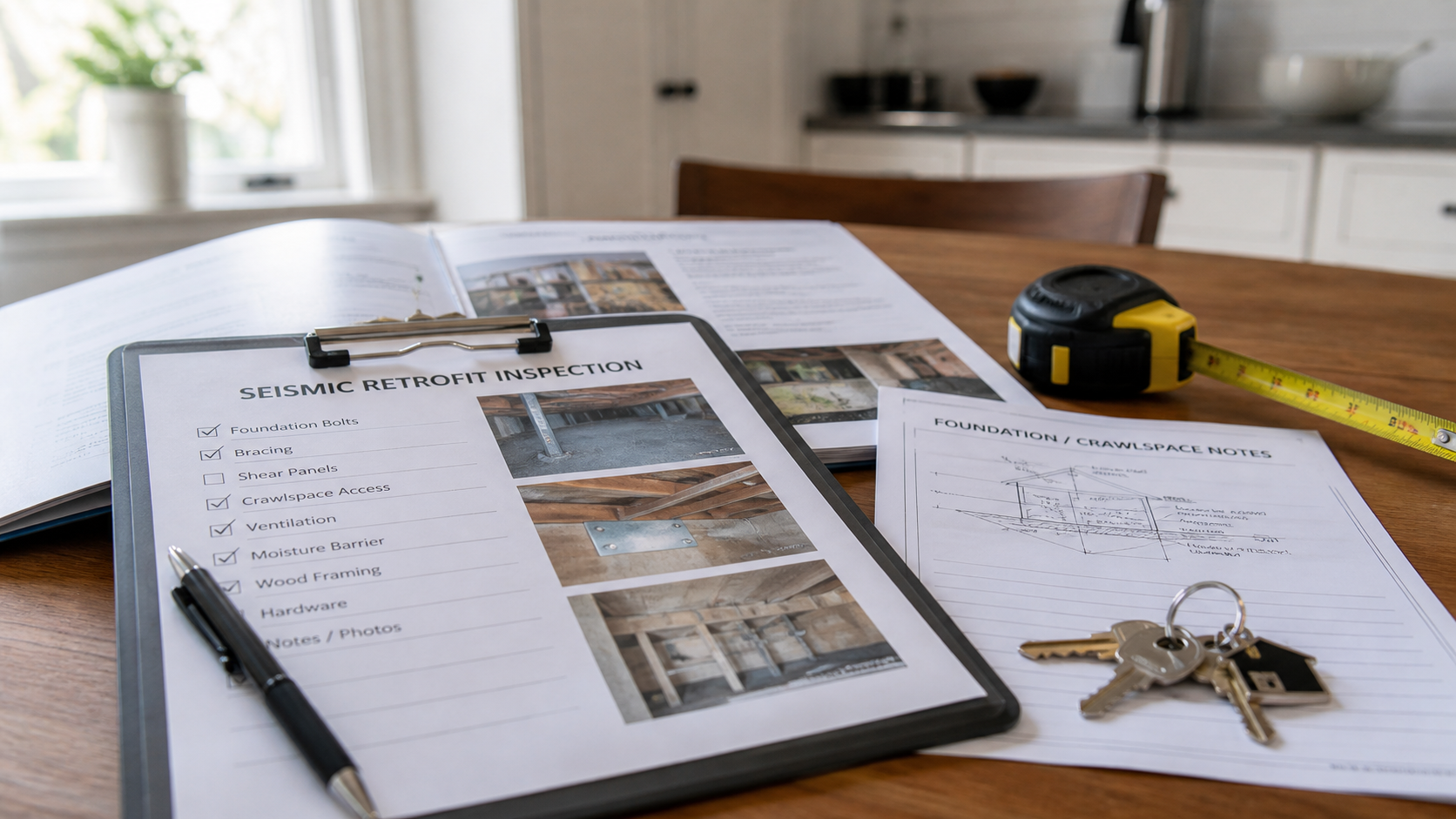
Start by looking for permits, contractor invoices, engineering notes, retrofit certificates, inspection reports, insurance documents, and old seller disclosures. If a retrofit was done, buyers will want to know when, by whom, and whether permits were finaled.
If nothing was done, that is still useful to know. A clear “not retrofitted” answer is better than vague promises that fall apart during escrow.
2. Understand the type of concern
Not every seismic concern is the same. A single-family home that needs foundation bolting is different from a multi-unit building subject to soft-story rules. San Francisco’s soft-story program, for example, has focused on certain wood-frame buildings with five or more residential units, two or more stories, and a weak or soft story condition.
Common sale concerns include:
- No visible foundation bolts or cripple wall bracing
- Older post-and-pier or partial foundation conditions
- Living space over a garage with limited shear strength
- Unreinforced masonry chimney or fireplace concerns
- Hillside or liquefaction-zone questions
- Retrofit work completed without clear records
3. Compare retrofit costs with the sale timeline
A retrofit may make sense if it is straightforward, affordable, and likely to improve buyer confidence. But it can also require bids, permits, engineering review, contractor scheduling, inspections, and weeks or months of delay.
Before committing, compare the full cost of the work with your likely net proceeds. Include holding costs, mortgage payments, taxes, insurance, utilities, cleanup, missed rent, and the risk that buyers still ask for credits after the work is complete.
Disclosure and Natural Hazard Questions
California sellers commonly deal with disclosure forms and natural hazard information. The California Geological Survey explains that sellers and agents must disclose when a property is located within certain mapped seismic hazard zones or earthquake fault zones. This article is general information, not legal advice, so ask a qualified California real estate professional or attorney if you are unsure what applies to your property.
Disclosure does not mean you must fix every issue before selling. It means buyers should receive accurate information so they can evaluate the home, the price, and the risk.
Your Main Selling Options
- Retrofit before listing: This may help with buyer confidence, but it requires cash, time, and contractor coordination.
- List as-is with documentation: This can work if the home is otherwise appealing, but buyers may ask for credits or contingencies.
- Sell directly for cash: A local as-is buyer can evaluate the home in its current condition and make an offer that accounts for retrofit risk after closing.
If the home has broader repair needs, you may also want to read our guides on selling a fixer-upper in San Francisco, San Francisco houses on hills, and selling without making repairs.
When a Cash Offer May Be the Cleaner Path
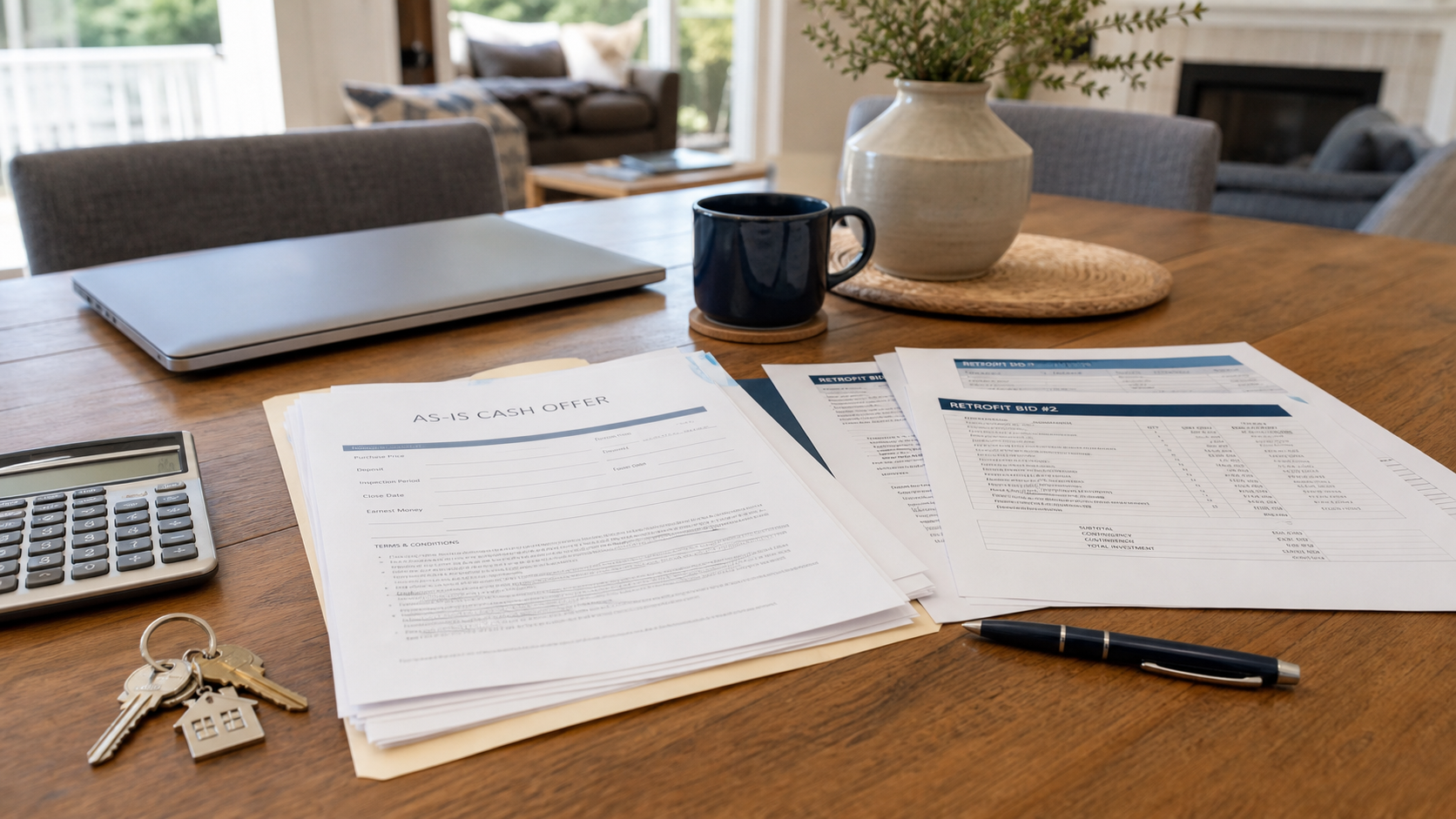
A cash sale may be worth comparing if you do not want to manage engineering bids, retrofit work, repeated showings, buyer financing delays, or last-minute repair negotiations. This can be especially helpful when the home is vacant, inherited, tenant-occupied, behind on maintenance, or part of a larger life transition.
You can still make a careful decision. Ask what the cash offer is, what fees are involved, whether repairs are required, and how flexible the closing date can be. Our How It Works page explains the direct-sale process, and our guide to cash home buyers in San Francisco covers the tradeoffs.
FAQ
Do I have to retrofit my Bay Area house before selling?
Not always. Some sellers complete retrofit work before listing, while others disclose known conditions and sell as-is to a buyer who is comfortable handling the work after closing.
Will seismic retrofit issues lower my sale price?
They can. Buyers may factor in retrofit bids, uncertainty, insurance questions, and future resale concerns. Clear records and realistic pricing can reduce surprises.
Can I sell as-is if the house has no earthquake retrofit?
Yes, many older homes sell as-is. The key is choosing the right buyer, being transparent about known conditions, and comparing your net result against the cost and delay of doing the work yourself.
Earthquake retrofit concerns can feel technical, but they do not have to keep you stuck. Gather the records, understand the likely buyer concerns, compare the real cost of retrofitting, and then decide whether a traditional listing or an as-is cash offer gives you the cleaner path forward.
Useful references: California Geological Survey seismic hazard disclosure information, California Earthquake Authority retrofit guidance, California Residential Mitigation Program retrofit grants, California Department of Insurance earthquake insurance guide, and San Francisco soft-story program information.