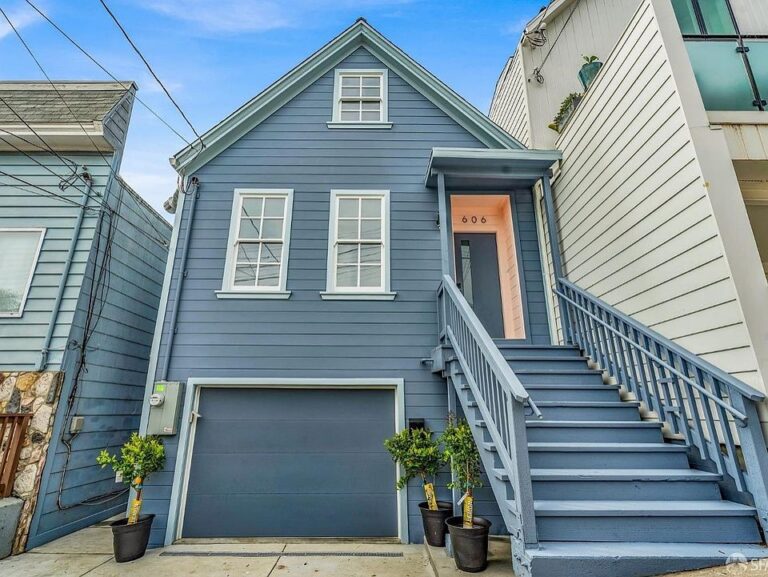
If you search for realtor commission california, you may see a tidy percentage presented as if every seller pays the same amount. California does not set a standard commission. Brokerage compensation is negotiated, and a Bay Area seller’s actual result depends on much more than one percentage.
The useful comparison is estimated net proceeds: what remains after seller-paid brokerage compensation, any buyer-broker compensation or concessions you agree to, preparation and repairs, closing items, holding costs, loan and lien payoffs, taxes, and prorations. A direct cash offer may remove some of those lines, but its price may also reflect the buyer’s repair, resale, time, and risk assumptions.
Short answer: There is no legally fixed or required California commission rate. Ask each agent for a written compensation proposal and service scope. Then compare that route with a written cash offer using the same net-proceeds worksheet.
Is There an Average Realtor Commission in California?
An online result for average realtor commission california may summarize selected transactions, surveys, advertised plans, or historical practices. It does not set the price for your sale. A statewide average can also hide major differences in property type, condition, price, marketing plan, brokerage model, and included services.
The California Department of Real Estate explains that the amount or rate of real-estate commission is not fixed by law. Brokers set their own compensation, and the seller and broker may negotiate it. The listing agreement should state the actual compensation—such as a percentage, flat dollar amount, or another lawful structure—and the services and circumstances tied to it.
Ask an agent to explain in writing:
- the listing broker’s compensation and when it is earned;
- what preparation, photography, marketing, showings, offer review, negotiation, and transaction coordination are included;
- whether any service has a separate charge;
- the listing term, cancellation provisions, and protection period; and
- how a buyer’s request for seller-paid buyer-broker compensation or other concessions will be presented and evaluated.
How Buyer-Agent Compensation Works Now
Do not assume the listing broker’s fee automatically includes a preset amount for the buyer’s agent. Current California guidance says buyers and their agents use a written representation agreement that addresses the buyer agent’s compensation. A buyer can ask the seller to pay some or all of that obligation as a negotiated term, and the seller can accept, reject, or counter the request.
For agents who are REALTORS®, the National Association of REALTORS® says an offer of compensation cannot be placed on an MLS. A seller may still approve an offer of compensation outside the MLS, and seller concessions may still appear on an MLS. Your listing agent should obtain your written approval for a payment or offer of payment the listing broker makes to another broker acting for a buyer.
Keep these lines separate in your estimate: listing-broker compensation, any seller-paid buyer-broker compensation, and other buyer concessions. They are all negotiable transaction terms, but they are not necessarily the same thing.
Agent-Assisted Sale vs. Direct Cash Sale: Cost Categories
| Cost or term | Agent-assisted listing | Direct cash sale |
|---|---|---|
| Sale price | Market exposure may produce a higher price, especially when the property is ready for financed retail buyers. The result is not guaranteed. | The offer may be lower because the buyer prices in repairs, resale costs, holding time, and risk. |
| Listing-broker compensation | Negotiated with the listing broker and written in the listing agreement. Do not assume a standard rate. | No listing broker is required when the owner sells directly. Confirm whether the buyer charges any fee or uses an agent. |
| Buyer-broker compensation | A buyer may request seller payment of some or all of the amount in the buyer’s representation agreement. The seller may accept, reject, or counter. | Often not applicable in a direct owner-to-buyer transaction, but verify the parties and contract. |
| Concessions | May include closing-cost credits, rate buydowns, repair credits, or other negotiated amounts. | May be zero, but only the written purchase agreement and settlement estimate control. |
| Repairs and preparation | Cleaning, contents removal, repairs, landscaping, staging, inspections, and photography can affect marketability and price. | An as-is buyer may not require seller repairs, but expected work and risk are generally reflected in the offer. |
| Closing costs | Escrow, title, transfer taxes, recording, HOA, natural-hazard, home-warranty, attorney, or other items depend on location, custom, and negotiation. | Allocation varies by buyer. Verify every fee, tax, payoff, and proration in the contract and estimated settlement statement. |
| Holding costs | Continue through preparation, marketing, contract, and closing. | May be lower with a shorter closing, but title, access, documents, funds, and contingencies still affect timing. |
| Risk and contingencies | A financed offer may include loan, appraisal, inspection, sale-of-property, or other contingencies. | No new buyer mortgage removes one risk, but a cash contract may still have inspection, feasibility, title, approval, or cancellation terms. |
A higher price does not automatically create higher net proceeds, and lower transaction costs do not automatically make a lower offer better. Compare the actual written terms. If you are considering the work-versus-price tradeoff, also review when selling a Bay Area house as-is may make sense.
Build a Home Sale Net Proceeds Calculator
A useful home sale net proceeds calculator does not start with an internet average. It starts with written proposals, realistic property costs, and a target closing date.
Estimated net proceeds = sale price − seller-paid brokerage compensation − seller-paid buyer-broker compensation − concessions − preparation and repairs − seller closing costs − holding costs − mortgage and lien payoffs − taxes and prorations.
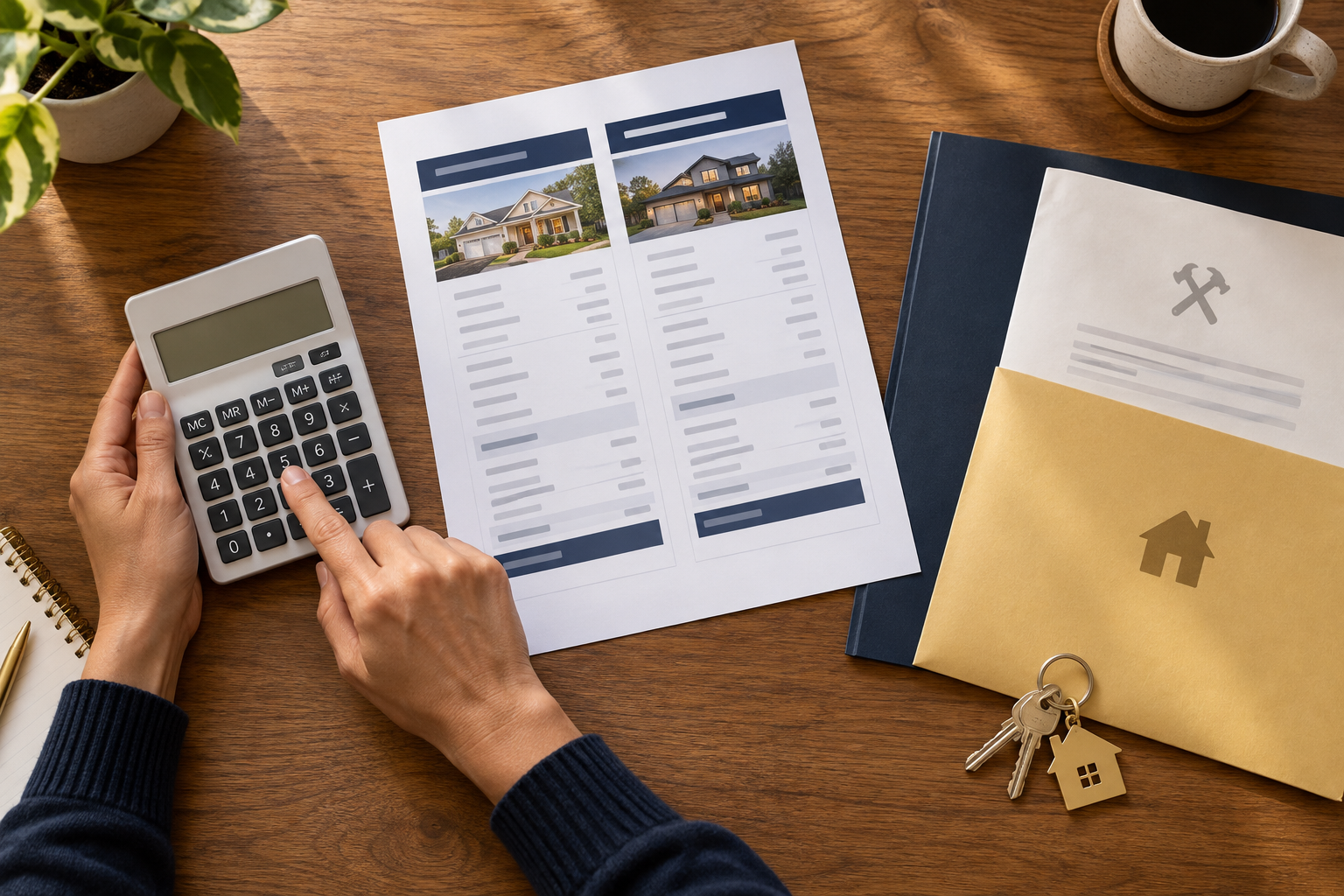
Use one row for each cost. Do not combine unlike items under “fees.” For example, a mortgage payoff reduces what arrives in the seller’s bank account, but it is repayment of debt rather than a commission or closing-service charge. Taxes and prorations also vary with the property and closing date.
Estimate holding costs by time, not guesswork
Add the property expenses you expect to carry until each possible closing: mortgage interest, property tax accrual, insurance, utilities, HOA dues, yard or pool service, maintenance, security, and any extra travel or management expense. Separate principal payments if you want a true economic-cost analysis, because principal generally reduces the loan payoff rather than disappearing as an expense.

Hypothetical Bay Area Comparison With Transparent Math
Hypothetical example only: These are invented inputs for a fictional Bay Area house, not averages, quotes, recommended rates, tax advice, or predictions. The compensation percentages are selected solely to demonstrate the calculation. Actual terms may be percentages, flat amounts, or another negotiated structure.
| Line item | Agent-assisted sale | Direct cash sale |
|---|---|---|
| Sale price / written offer | $1,100,000 | $980,000 |
| Negotiated listing-broker compensation | 2.0% × $1,100,000 = −$22,000 | $0 in this scenario |
| Seller-paid buyer-broker compensation | 2.0% × $1,100,000 = −$22,000 | $0 in this scenario |
| Other buyer concession | −$10,000 | $0 |
| Preparation and repairs | −$30,000 | $0 paid before closing; buyer priced condition into offer |
| Seller closing costs | −$11,000 | $0 under the fictional written offer |
| Holding costs to closing | 3 months × $6,000 = −$18,000 | Half month × $6,000 = −$3,000 |
| Estimated proceeds before debt, taxes, and prorations | $987,000 | $977,000 |
| Same mortgage payoff | −$400,000 | −$400,000 |
| Illustrative net before property-specific taxes/prorations | $587,000 | $577,000 |
Agent-assisted calculation: $1,100,000 − $22,000 − $22,000 − $10,000 − $30,000 − $11,000 − $18,000 − $400,000 = $587,000.
Direct-cash calculation: $980,000 − $0 − $0 − $0 − $0 − $0 − $3,000 − $400,000 = $577,000.
In this scenario, the agent-assisted price is $120,000 higher, while the estimated net before property-specific taxes and prorations is $10,000 higher. Change any assumption and the result changes. If the listing sells for less, requires more work, takes longer, or includes a larger concession, the cash route may net more. If the home sells for more, needs little preparation, closes quickly, or has lower negotiated costs, the listing may lead by more.
Ask the agent, cash buyer, and escrow or title professional to review the inputs that apply to your property. Never treat an estimate as the final settlement statement.
What “We Buy Properties in Bay Area No Commission” Means
We Buy Properties in Bay Area’s current company page and How It Works page state that its direct purchases have no commissions or fees. That is a company-specific statement verified on October 25, 2026—not a rule for every cash buyer and not a substitute for reading the offer.
Before signing, confirm the purchase price, any adjustment or inspection rights, closing-cost allocation, taxes, prorations, title requirements, lien and loan payoffs, assignment language, cancellation rights, proof of funds, and closing date. “No commission” addresses one line; it does not erase debts or property-specific settlement items.
When Each Route May Fit
An agent-assisted listing may fit when:
- the home is market-ready or the likely return justifies preparation;
- broad exposure and competitive bidding are priorities;
- you want professional pricing, marketing, showing, and negotiation support; and
- your schedule and cash reserves can absorb preparation, showings, contingencies, and a longer timeline.
A direct cash sale may fit when:
- the property needs repairs, cleanout, or coordination you do not want to manage;
- fewer showings and a shorter, negotiated timeline matter;
- you value removing a new buyer mortgage contingency; and
- the written cash offer produces an acceptable net after every term is reviewed.
A cash sale is not automatically certain, and an agent-assisted sale is not automatically more profitable. For the direct-sale sequence, read what happens after accepting a cash offer. To compare local buyers, franchises, and iBuyers by costs, adjustments, contingencies, and net proceeds, read the guide to companies that buy houses for cash in the Bay Area.
Questions to Ask Before Comparing the Bottom Line
- What exact services and compensation are in the listing agreement?
- Is the buyer asking the seller to pay buyer-broker compensation or another concession?
- Which repairs, credits, or preparation costs are assumed?
- Who pays each escrow, title, transfer, HOA, warranty, recording, or other closing item?
- What timeline is realistic, and what does each additional week cost?
- Which contingencies, approval rights, price adjustments, or cancellation terms remain?
- What will the seller receive after the same loan, lien, tax, and proration assumptions?
Frequently Asked Questions
What is the average Realtor commission in California?
There is no legally fixed or required average rate. Published averages can reflect different datasets, time periods, property types, and service models. California requires negotiability language in covered residential compensation agreements. Request written proposals for your property and compare the services and total dollar cost.
Are California real-estate commissions negotiable?
Yes. The California Department of Real Estate says the amount or rate is not fixed by law, is set by each broker individually, and may be negotiable between seller and broker. The signed agreement controls the actual compensation and terms.
Does a California seller have to pay the buyer’s agent?
Not automatically. A buyer may request that the seller pay some or all of the buyer-broker compensation as a negotiated purchase term. The seller can accept, reject, or counter. Review the buyer’s request, purchase agreement, and any listing-broker payment arrangement separately.
How do I calculate net proceeds from a home sale?
Start with the sale price, then subtract every seller-paid amount: brokerage compensation, agreed buyer-broker compensation, concessions, preparation, repairs, closing items, holding costs, mortgage and lien payoffs, taxes, and prorations. Use the same payoff and tax assumptions for every sale route.
Does We Buy Properties in Bay Area charge a commission?
The company’s current About and How It Works pages state that its direct purchases have no commissions or fees. Confirm that statement, the exact cost allocation, and every deduction in your written offer and estimated settlement statement before signing.
Will an agent sale always net more than a cash offer?
No. A listing may produce a higher price through market exposure, while a direct offer may reduce preparation, transaction, and holding costs. Either route can produce the higher net depending on the property, price, negotiated terms, work, and timeline.
Compare a Written Cash Offer With Your Listing Estimate
Ask an agent for a property-specific pricing and seller-net estimate. Then put a written direct offer beside it using the same payoff, tax, and proration assumptions. The better option is the one whose complete terms fit your financial goal, property condition, risk tolerance, and timing.
Request a Bay Area Cash Offer—Then Compare the Net
Tell We Buy Properties in Bay Area about the property through the existing contact process. Requesting an offer is currently free and carries no obligation to accept. Ask for the price, cost allocation, contingencies, adjustment rights, and closing date in writing, then compare the expected net with an agent-assisted sale.
Sources and methodology
- California Department of Real Estate: Basic Contract Provisions and Disclosures in a Residential Real Estate Transaction — negotiability and listing-agreement compensation language.
- California Department of Real Estate: Changes to Buyer Representation and Compensation — buyer agreements and seller-requested compensation treatment.
- National Association of REALTORS®: What the settlement means for home sellers — MLS, seller approval, concessions, and negotiability.
- We Buy Properties in Bay Area: Our Company and How It Works — current company statements about commissions, fees, as-is purchases, and process.