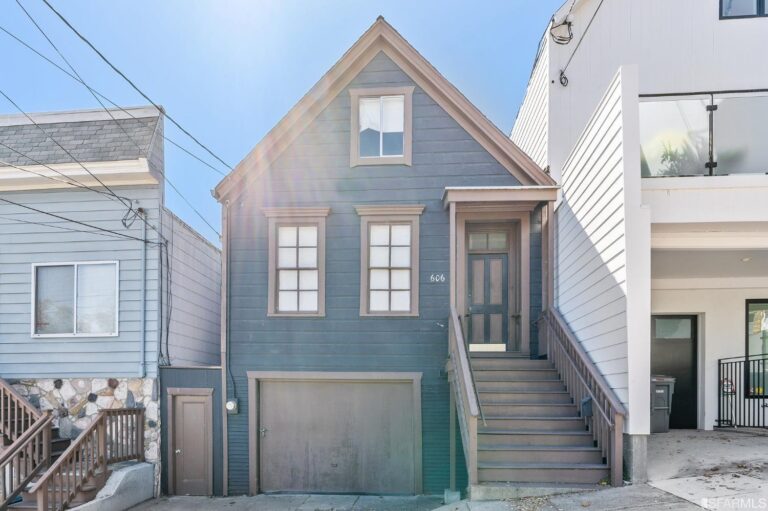
Selling a Bay Area house with deck problems can bring an unexpected decision: repair the outdoor space before listing, negotiate around its condition, or compare an as-is offer. Weathered boards may look like a weekend project, while an inspection raises questions about supports, stairs, or the connection to the house.
Start by understanding the actual concern. A clear assessment and a practical access plan help you avoid paying for cosmetic work that leaves buyers’ main questions unanswered. These five steps focus on an existing residential deck, from the first report through your sale agreement.
1. Assess Your Bay Area House With Deck Problems
Write down what prompted the concern: a loose railing, movement underfoot, deteriorated wood, rusted hardware, or an inspector’s recommendation. Note where and when you noticed it. Photos taken from a safe location can help explain the issue, but they cannot establish structural condition.
Keep people off a deck that appears unstable, and arrange professional advice about restricting access. Do not test it by gathering people on it or pulling on a questionable railing. Tell your agent about access limits before photography or showings begin.
Ask a properly licensed contractor experienced with decks whether the concern needs a structural engineer. The California Contractors State License Board provides resources for checking licenses and selecting the appropriate contractor. Describe the findings without guessing at the cause.
2. Ask for a Deck Assessment, Not Just a Refinishing Quote
A proposal to sand and stain the surface answers a different question from an assessment of the deck’s supporting structure. Ask what was inspected and what remained concealed or inaccessible. Fresh paint does not demonstrate that the posts, framing, connections, or stairs are sound.
Request written findings that address:
- The walking surface, guardrails, handrails, and stairs.
- Posts, beams, footings, and the connection to the house, where applicable.
- Signs of moisture-related deterioration or corroded connections.
- Areas requiring further investigation and any access restrictions.
- Recommended work, its purpose, and the limits of the assessment.
If a pest report identifies damaged wood, ask whether further structural evaluation is needed. Our termite-damage guide covers pest-related sale questions. A pest-treatment invoice and a completed structural repair document different things; keep both when relevant.

3. Check the Repair Scope and Permit Records
Gather existing deck plans, permits, inspection records, repair invoices, and any notices. An old permit number does not show that today’s proposed work is approved. Ask the local building department what the specific repair requires before scheduling construction.
For example, Berkeley’s deck-repair permit guidance distinguishes structural framing work from certain maintenance tasks. This is a local reference, not a rule for every Bay Area property. Confirm current requirements for your address and scope; do not assume an elevated-element inspection program applies to every single-family home.
Compare complete proposals
Ask whether each estimate includes demolition, disposal, structural work, waterproofing where relevant, design, permits, inspections, and restoration around the deck. Clarify how concealed damage would change the price and schedule. Two similar totals can describe very different projects.
If replacement or removal is suggested, ask how it would affect exterior doors, stairs, yard access, and required exits. Removing a deck is not automatically a simple alternative. Get the necessary design and permit advice before promising buyers an altered outdoor layout.
Where missing approvals become the main concern, our unpermitted-work guide explains that separate issue. Keep this decision grounded in the deck you have and the work actually proposed.
4. Prepare Disclosures and Safe Showing Access
Give your agent the full reports, estimates, notices, and completed-work records. Identify which recommendations remain unresolved. Avoid calling the deck “fully repaired” when only surface boards were replaced or a railing was tightened.
The California Department of Real Estate’s disclosure guide explains property-condition disclosures and the need to disclose known material issues. Use it as background, and have your agent or a California real-estate attorney confirm current requirements for your transaction. An as-is agreement does not remove applicable disclosure duties.
Agree on a showing plan that respects professional access restrictions without obstructing required exits. Buyers can review records and arrange an appropriate inspection; a showing should not become an informal load test. Make sure photographers and anyone hosting visits receive the same instructions.

5. Compare Repairs With Selling in the Current Condition
Repair before listing
A defined repair may help when the scope is clear, funding is available, and the work can be completed and documented within your timeline. Ask your agent how the finished result may affect marketability. Do not assume every dollar spent will return through a higher sale price.
Consider an as-is offer
An as-is buyer may evaluate the deck and plan work after closing, subject to the agreement and applicable requirements. Compare the offer after selling expenses, any credits, and the cost of holding the home through a repair project. Our cash buyer versus Realtor guide explains the broader comparison.
Put deck-related expectations in writing: agreed work, inspection rights, credits, completion records, and closing timing. If the buyer uses financing, have them confirm lender requirements before relying on a repair credit. Cash payment removes the mortgage-approval step, but does not automatically remove inspections or cancellation rights.
Frequently Asked Questions
Must I replace an old deck before selling?
Not necessarily. Condition, applicable requirements, and the purchase agreement matter more than age alone. Get a focused assessment before deciding whether repair, replacement, or an as-is sale fits your situation.
Does a new stain finish prove a deck is safe?
No. A new finish changes the surface appearance. It does not establish the condition of supports, connections, stairs, or concealed wood. Share the actual assessment and repair records with buyers.
Can I request a cash offer while deck repairs remain unresolved?
Yes. Share known findings and any access restrictions when requesting an offer. The buyer may still investigate, and the written agreement should explain repair responsibilities and contingencies.
Get a Cash Offer Before Committing to Deck Work
If you are selling a Bay Area house with deck problems, compare your options before committing to a major project. We Buy Properties in Bay Area can review the property’s current condition and discuss an as-is purchase. Request your no-obligation cash offer and share your deck reports, outstanding questions, and preferred timeline.