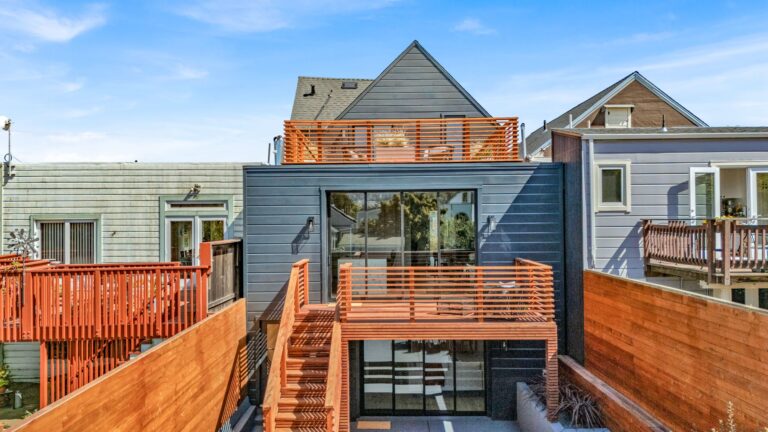
Selling a Bay Area house in a flood zone starts with separating the home’s condition from its mapped location. Your house may be dry, well maintained, and ready for showings, while buyers still have questions about flood risk, financing, and future costs.
Before lowering the price or paying for improvements, gather reliable information for your address. A clear record helps you explain what is known and compare realistic offers. These five steps focus on selling a home with a flood designation, whether or not it has ever flooded.
1. Confirm the Map for Your Bay Area House in a Flood Zone
Start with the FEMA Flood Map Service Center and check the property’s address against the effective map. Record the map date and zone, and look for any applicable map-change documents. An old mortgage file or a neighbor’s designation may not describe your home today.
If a boundary crosses the parcel or the result is unclear, ask the local floodplain administrator for help. Distinguish the building’s location from the rest of the lot. Keep the map and any written clarification together rather than relying on a cropped screenshot.
For Santa Clara County properties, Valley Water’s flood-ready guidance provides a local starting point for checking mapped flood areas. Elsewhere in the Bay Area, contact the city or county responsible for your address. A neighborhood description alone cannot establish the designation.
2. Assemble a Useful Disclosure File
California’s Natural Hazard Disclosure Statement includes FEMA Special Flood Hazard Areas and areas of potential flooding shown on dam-failure inundation maps. These are separate entries. Have your agent or a California real-estate attorney confirm the disclosures and any exemptions that apply to your transaction.
Organize the records you already have:
- Current hazard reports and relevant map-change letters.
- Existing elevation certificates, surveys, or site plans.
- Known flooding history, related claims, and repair records.
- Drainage-work permits, invoices, and outstanding notices.
- Written correspondence about the property’s flood designation.
Say when information is unavailable. “We have not experienced flooding during our ownership” is more precise than “this home cannot flood.” A hazard report also does not replace disclosure of known property conditions. If there is actual damage, our guide to selling a house with water damage addresses that separate repair decision.

3. Give Buyers Time to Check Insurance and Financing
A buyer’s monthly budget may change after reviewing flood coverage. FEMA’s flood-zone guidance explains that high-risk A and V areas carry flood-insurance requirements for federally backed mortgages in participating communities. Buyers should confirm their lender’s requirements for the specific building and loan.
The Consumer Financial Protection Bureau also notes that homeowners insurance typically does not cover flood damage. Encourage buyers to obtain an address-specific quote early instead of assuming your existing premium will become theirs.
Share available policy information through the professionals handling the transaction, with unnecessary personal details removed. Let the insurer confirm whether any existing policy can transfer and on what terms. Avoid promising a premium, guaranteed coverage, or a lender waiver. These answers are more useful before the buyer’s investigation period ends than just before moving day.
4. Resolve Questions Before Promising Improvements
A buyer might ask whether grading the yard, adding drainage, or raising equipment would address their concern. Obtain advice and check permit requirements before agreeing to work. A contractor’s estimate does not establish that a project is approved or that it will change the mapped designation.
Ask the relevant local authority what restrictions apply to the proposed work. If someone says the map is wrong or out of date, request the supporting documentation and professional review. Do not market a pending request as an approved change.
For example, a seller may have a drainage invoice and years without an incident. Both belong in the record, but neither alone proves the property is outside a mapped hazard area. Keep maintenance history, map status, and proposed work clearly identified in buyer conversations.

5. Compare Sale Paths Using Written Terms
List with the records ready
A traditional listing may suit a well-maintained home when buyers can evaluate the designation and costs early. Ask your agent to consider comparable properties with similar conditions and location. There is no reliable universal “flood-zone discount” to apply to every Bay Area home.
Consider an as-is cash offer
A cash purchase can remove the buyer’s mortgage-approval step, but the buyer still evaluates flood exposure and future ownership costs. Ask about inspections, contingencies, deposits, and the proposed closing date. Cash payment does not erase disclosure obligations or local restrictions.
Compare expected proceeds after selling costs, credits, agreed work, and ongoing ownership expenses. Our cash buyer versus Realtor guide can help with the broader comparison. Choose based on the actual agreement and your priorities, not just the highest headline price.
Frequently Asked Questions
Can I sell a home in a flood zone if it has never flooded?
Yes. A mapped designation does not automatically prevent a sale. Provide the required disclosures and available records so buyers can assess the property, financing, and ongoing costs.
Does a cash buyer still need flood-risk information?
Yes. A cash buyer may not need mortgage approval, but still needs to evaluate the property. Cash payment does not remove applicable disclosure duties.
Does a lower-risk map designation mean no flood risk?
No. FEMA explains that lower-risk areas still carry flood risk. Avoid describing any designation as a guarantee that a home will never flood.
Get a Cash Offer With the Facts in Hand
If you are selling a Bay Area house in a flood zone, start with clear records and a practical comparison. We Buy Properties in Bay Area can review the home’s current condition and discuss an as-is purchase. Request your no-obligation cash offer and tell us about the designation, available reports, and the timeline you need.