Companies that buy houses for cash do not all use the same process. A local direct buyer may evaluate the property personally, a franchise buyer operates under a national brand through a local office, and an iBuyer typically starts with data and an online workflow. The useful comparison is not which label sounds best. It is which written offer produces the most suitable combination of net proceeds, certainty, property fit, and timing for your Bay Area home.
This guide uses We Buy Properties in Bay Area as a local-buyer example, HomeVestors/We Buy Ugly Houses as a franchise example, and Opendoor as an iBuyer currently advertising Bay Area service. Company policies and service areas can change, and address-level eligibility may be narrower than a regional page suggests. Verify current terms directly before making a decision.
The Short Answer: Compare the Contract, Not the Category
Local buyers, franchise offices, and iBuyers can all make direct offers, but the categories do not determine which offer is strongest. Ask each buyer for a written price, every fee or adjustment, the buyer’s contingencies and cancellation rights, proof of funds, the proposed closing window, and an estimated seller net sheet.
- Buying process: Is the first number an estimate, a final offer, or an invitation to continue?
- Property requirements: Will the buyer consider the home’s age, condition, property type, occupancy, title issues, lot size, or unpermitted work?
- Costs: Are there service charges, commissions, condition adjustments, closing costs, or date-extension fees?
- Certainty: Which inspections, approvals, title conditions, or other contingencies remain after signing?
- Net proceeds: What amount should reach the seller after every agreed deduction, payoff, tax, lien, credit, and proration?
What Is an iBuyer—and How Is It Different?
If you are wondering what is an iBuyer, the term generally describes a technology-enabled company that uses an online intake process, property data, and a standardized valuation system to make direct home offers. The company typically buys eligible homes and later resells them. An iBuyer is a direct buyer, but not every direct cash buyer is an iBuyer.
The distinction matters because an iBuyer may have narrower property parameters and a separately itemized service charge. A local buyer may consider a wider range of unusual or distressed properties but publish fewer standardized policies. A franchise combines national branding and systems with a transaction handled by an independently owned local office. None of those structures guarantees a higher price, safer contract, or easier closing.
Three Cash-Buyer Models Available to Bay Area Sellers
Local direct buyer: We Buy Properties in Bay Area
The current We Buy Properties in Bay Area process page describes a direct as-is purchase, no agent commission, buyer-paid closing costs, and a closing that may occur in as little as seven days or later if the seller needs more time. It says the offer accounts for after-repair value, necessary work, and resale and holding costs.
Public pages do not answer every contract-level question. The exact purchasing entity, assignment terms, deposit, buyer contingencies, and any post-signing seller cancellation right should be confirmed in writing. This article does not assume those answers.
Franchise buyer: HomeVestors / We Buy Ugly Houses
HomeVestors’ official California location page lists service across Bay Area counties. HomeVestors says each franchise is independently owned and operated, so the local legal entity—not only the national brand—should match the name on the agreement.
Its current seller FAQ describes an in-person walkthrough, as-is purchases across a broad range of property types, no commissions or service fees, payment of typical closing costs, closing sometimes in as little as three weeks, and a three-day written cancellation option after signing. The same FAQ says offers are typically discounted below market value in exchange for speed and convenience. Confirm which published terms appear in the local franchise’s agreement.
iBuyer: Opendoor
Opendoor currently maintains an SF Bay Area seller page. Its workflow begins online, collects property details, uses an app-based or other home assessment, and then provides a final offer. Eligibility depends on the address and current buying parameters.
Opendoor says its service charge varies and appears in the offer breakdown. A condition adjustment and seller closing costs can also reduce proceeds. Its current seller materials describe closing generally within 21 to 60 days and free cancellation before closing for its regular cash-offer option. Read the actual offer and agreement because product terms can change.

Side-by-Side Comparison
The table summarizes statements on official public pages checked October 23, 2026. “Unknown” means the cited general pages do not resolve the point; it does not mean the term is absent from a real offer.
| Comparison point | Local buyer example | Franchise example | iBuyer example |
|---|---|---|---|
| Named company | We Buy Properties in Bay Area | HomeVestors / We Buy Ugly Houses local franchise | Opendoor |
| Buying process | Property information, preliminary discussion or offer, property assessment, final written offer | Local consultation and in-person walkthrough, often followed by an offer | Online intake, estimate, app or property assessment, then final offer |
| Property requirements | Public page says any condition; detailed type and title limits are not fully published | Publishes a broad range including houses, townhomes, condos, multi-tenant properties and some manufactured or commercial properties; local interest varies | Uses market-specific eligibility; published national parameters exclude some property types and significant condition or permit issues |
| Fees and closing costs | Public page says no agent commission and buyer-paid closing costs; verify complete allocation | FAQ says no commissions, real-estate fees, or service charges and payment of typical closing costs | Variable service charge, condition adjustment, and seller closing costs shown in the offer breakdown; a longer closing date may add a fee |
| Offer adjustments | Condition is incorporated into the offer; public pages do not define every later adjustment right | Offer follows the walkthrough; later adjustment rights are not resolved by the general pages | Final offer can differ from the preliminary figure after assessment, market changes, service charge, condition adjustment, and closing-cost estimates |
| Contingencies | Unknown from the reviewed public pages; read the agreement | Unknown at the local-contract level; read the franchise buyer’s agreement | Bay Area page says no buyer financing contingency; other terms and conditions still appear in the agreement |
| Closing flexibility | Public page says as little as seven days or a later seller-selected date | FAQ says sometimes as little as three weeks and generally flexible | Current materials generally describe 21 to 60 days |
| Seller cancellation | No post-signing right stated on the reviewed public pages | Published three-day written option after signing under HomeVestors Advantage | Current seller-options page states free cancellation before closing for the regular cash offer; contract controls |
| Net proceeds | Start with the written price and subtract any seller obligations, payoffs, liens, taxes, and prorations | Confirm what “typical closing costs” covers, then subtract property-specific obligations | Use the dashboard net figure after service charge, condition adjustment, closing costs, payoffs, and other property-specific items |
Availability note: Offerpad is often mentioned in national iBuyer lists, but its official current locations do not list California. It is therefore not presented here as an active Bay Area option. Recheck the company’s location page if considering it later.
How Each Model Reaches and Adjusts an Offer
An early number may be based on public records and seller-supplied information. It becomes more property-specific after the buyer verifies condition, access, occupancy, improvements, remaining contents, title information, and local comparable sales. Ask what has already been verified and what can still change.
A local buyer may incorporate known repairs into one price. A franchise office may inspect before presenting its offer. An iBuyer may show separate service, condition, and closing-cost lines. Those are process differences, not proof that one structure produces a higher net. Keep the preliminary figure, final offer, agreement, amendments, and estimated settlement statement so you can trace every change.
Property Requirements Can Decide the Comparison Early
Before comparing prices, confirm that each buyer will actually consider the property. Ask about condos, TIC interests, two-to-four-unit buildings, tenant occupancy, fire or foundation damage, unpermitted additions, code violations, solar agreements, probate, liens, and unusual lots. “As is” does not necessarily mean every property qualifies or that disclosure duties disappear.
Opendoor publishes standardized eligibility examples, while HomeVestors tells sellers to ask the local property specialist what that office buys. We Buy Properties in Bay Area says it buys houses in any condition, but its public pages do not publish a complete property-type or title-issue matrix. A specific address and honest property details are required for a meaningful answer.
Compare Estimated Net Proceeds, Not Just Offer Price
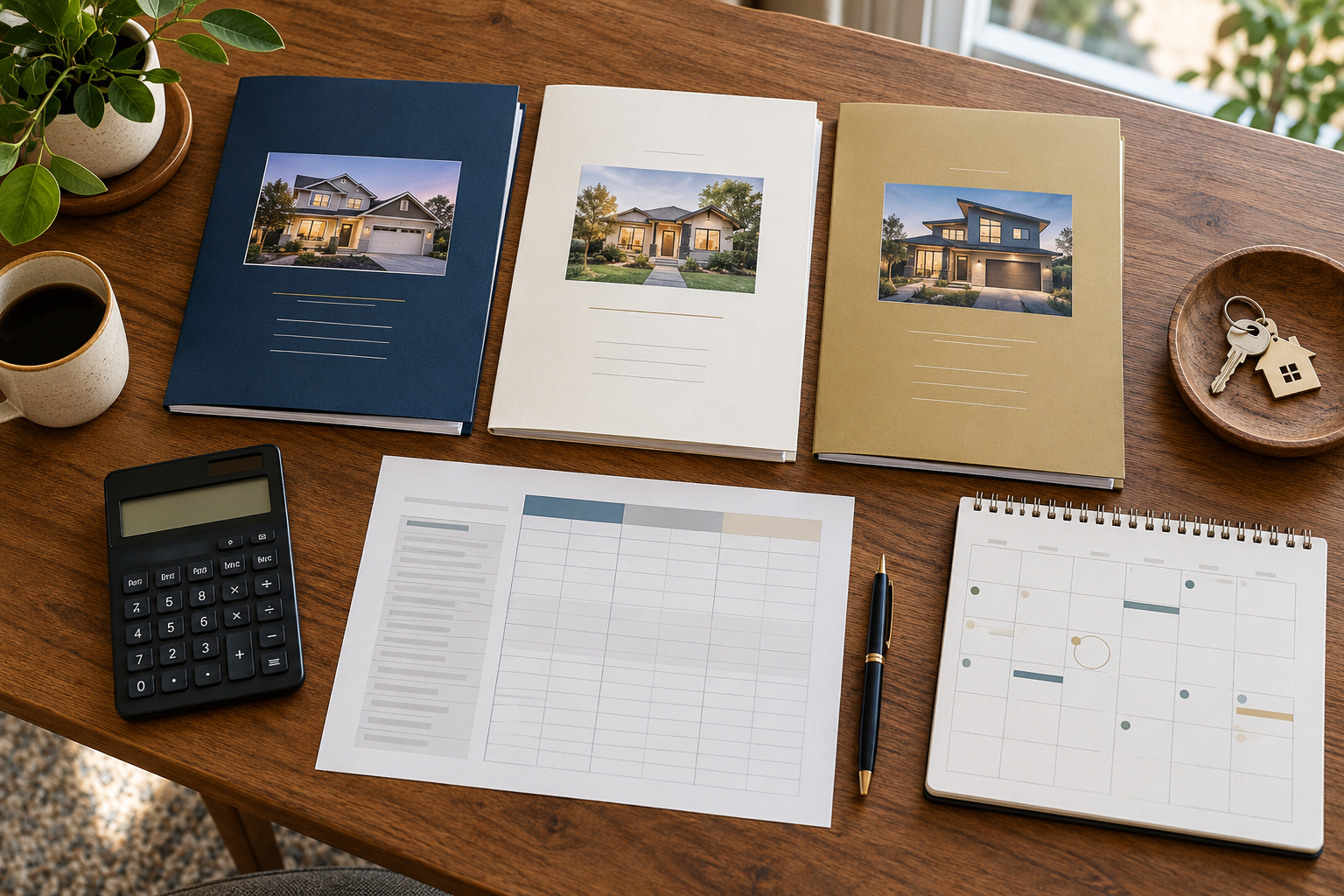
Offer price is not the amount deposited after closing. Build one worksheet for every option:
Estimated net proceeds = purchase price − buyer fees or service charges − condition adjustments − seller-paid closing items − mortgage and lien payoffs − taxes and prorations − agreed credits.
Then add the costs that may occur outside escrow: repairs, cleaning, staging, moving twice, storage, utilities, insurance, taxes, HOA dues, and mortgage payments during the expected timeline. Some costs may be avoided in a direct sale; others apply regardless of buyer type. Request an estimated seller net sheet and ask which lines can still change.
Questions to Ask Cash Home Buyers Near Me
A search for cash home buyers near me can surface local companies, lead-generation sites, franchises, wholesalers, and technology platforms. Before sharing sensitive documents or signing, ask:
- What exact legal entity will sign and fund the purchase?
- Are you the buyer, an agent, a broker, a franchise office, or a company that may assign the contract?
- Can I review current proof of funds that matches the purchasing entity?
- Is this number preliminary or final, and what facts can change it?
- List every fee, condition adjustment, closing cost, credit, and possible extension charge.
- What inspections, approvals, financing, title, partner-review, or other contingencies benefit the buyer?
- Who holds the deposit, when is it due, and when can it be refunded?
- Can either side cancel after signing? What deadline and notice method apply?
- What closing dates are realistic after title, payoff, signing, funding, and recording?
- What is my estimated net at closing, and which lines remain estimates?
Review the company information, match names and contact details across the website and agreement, and involve qualified legal, tax, title, escrow, or real-estate professionals when the property or contract requires them.
Frequently Asked Questions
What is an iBuyer?
An iBuyer is a technology-enabled direct buyer that typically starts online, uses property data and a standardized valuation process, assesses the home, and makes an offer on eligible properties. Not every cash buyer is an iBuyer.
Are local cash buyers better than iBuyers?
Not automatically. A local buyer may consider properties outside an iBuyer’s parameters, while an iBuyer may provide a more standardized online breakdown. Compare the actual written net proceeds, terms, contingencies, property fit, and closing plan.
Do companies that buy houses for cash charge fees?
Policies differ. We Buy Properties in Bay Area says it charges no agent commission and pays closing costs; HomeVestors says it charges no commissions or service fees and pays typical closing costs; Opendoor publishes a variable service charge plus potential condition adjustments and seller closing costs. The property-specific offer and agreement control.
Can a cash buyer lower the offer after seeing the house?
A preliminary estimate can change after condition or property details are verified. Ask when the price becomes final, what changes are permitted, whether deductions are itemized, and whether you can decline or cancel without cost.
Which cash-home-buying companies currently serve the Bay Area?
As of October 23, 2026, We Buy Properties in Bay Area advertises local direct buying, HomeVestors lists Bay Area franchise coverage, and Opendoor advertises SF Bay Area service. Offerpad’s official location list does not currently include California. Verify the address directly because coverage and eligibility can change.
Compare a Local Cash Offer With Your Other Options
If you want a property-specific number to place beside a franchise or iBuyer offer, use the existing cash-offer request for We Buy Properties in Bay Area. Requesting an offer is free and does not require you to accept it. Compare the written price, deductions, contingencies, cancellation terms, timing, and estimated net before signing anything.
This article provides general educational information. Company service areas and policies can change, and the signed agreement controls a specific sale.