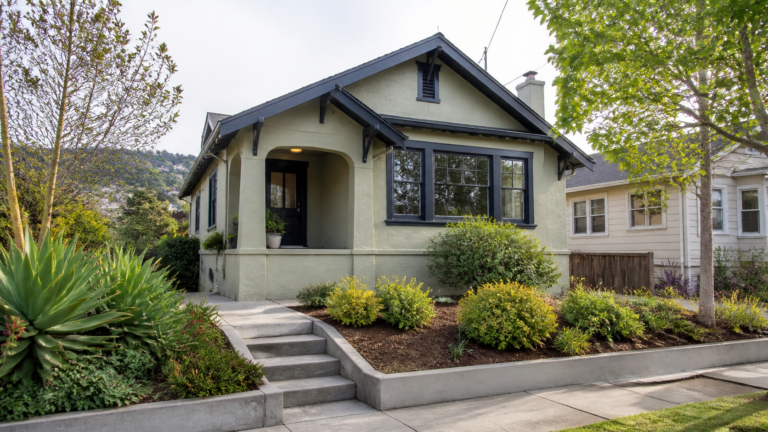
Selling a house after a death in the Bay Area can combine grief, family decisions, paperwork, and property questions in one demanding process. You may need to confirm who can sign, decide what to do with belongings, and answer buyers without sharing unnecessary personal details.
You do not have to solve every issue at once. Start with authority and reliable records, then compare the work required for a traditional listing with an as-is cash offer. The following steps provide a practical framework, not legal advice for a particular estate or disclosure question.
1. Confirm Authority Before Selling a House After a Death in the Bay Area
First, identify the current owner and the person legally authorized to sell. The answer may depend on how title was held, whether the property is in a trust, and whether a probate or other court process is underway. A family agreement by itself may not give someone signing authority.
Gather the deed, trust or court documents, death certificate, mortgage statement, property-tax information, insurance details, and any contact information for the estate’s attorney or representative. Ask the title or escrow professional what they will require before choosing a closing date.
If you are still deciding who may act for the estate, our guides to selling an inherited California house and handling an inherited property without a will explain the broader starting questions.
2. Build a Factual Record and Disclosure Plan
Create a simple timeline: who occupied the home, when the death occurred, whether it occurred on the property, and which facts are known rather than assumed. Keep supporting records private and share only what the transaction requires through the appropriate professional.
California Civil Code section 1710.2 sets a specific framework for death-related information. The California Department of Real Estate disclosure guide explains that failure to disclose an occupant’s death occurring more than three years before the buyer’s offer does not create a cause of action under that section. It also warns that the statute does not protect an owner or agent who misrepresents the facts when a buyer asks directly.
The California Association of Realtors death-disclosure guide describes disclosure when an occupant’s death occurred on the property within the prior three years and identifies protected health-information limits. Because forms, exemptions, and facts vary, have a California real-estate or legal professional confirm what should be disclosed and where.

3. Secure the Home and Choose a Manageable Cleanup
Confirm that doors and windows lock, utilities are handled safely, insurance remains appropriate, mail is redirected, and someone checks the property. Photograph rooms before removing items, especially when several heirs or beneficiaries are involved.
Separate important records, valuables, medications, hazardous materials, and personal belongings before arranging donations or disposal. Do not rush a full cleanout simply because you think every buyer expects an empty house. A limited cleanup may be enough for evaluation, while an as-is buyer may accept remaining contents if the written offer says so.
- Handle safety first: address active leaks, open windows, spoiled food, or other immediate risks.
- Preserve important information: keep permits, warranties, repair invoices, keys, and service records.
- Delay optional projects: price painting, flooring, landscaping, and staging before committing estate funds.
4. Present the Property Clearly and Respectfully
Marketing should focus on the property’s condition, location, records, and sale terms—not on sensational details. Coordinate any required disclosure separately and answer direct questions through the normal transaction process. Avoid casual guesses about the manner, date, or location of death.
Consider how the condition affects the likely buyer pool. A repaired, cleared, and staged home may fit a conventional listing. A house with deferred maintenance, remaining contents, or a tight estate timeline may be better suited to an as-is sale. Our guide to comparing a cash buyer with a Realtor covers the wider tradeoffs.
5. Compare Offers Using the Estate’s Real Priorities
Compare more than the headline price. Review expected repairs, commissions, closing costs, contents removal, contingencies, financing risk, and the date proceeds can be released. Confirm that the authorized signer and any required court or trust process can meet the proposed schedule.
A traditional listing may produce the best fit when the home is ready, the estate has time, and the seller can manage preparation and showings. A direct cash offer may be useful when certainty, a flexible closing date, or selling with belongings and repairs still in place matters more. Read every term in writing and use independent professional advice when needed. You can also review what happens after accepting a cash offer.
Frequently Asked Questions
Do I have to tell a buyer that someone died in the house?
California rules depend on when the death occurred, whether the person was an occupant, what a buyer asks, and other facts. Do not conceal or guess. Have the professional handling the transaction confirm the current disclosure form and response required for your situation.
Can an estate sell the house before probate is finished?
Sometimes, but the authority and process depend on the estate documents, title, court status, and California probate rules. Ask the estate attorney, personal representative, and title or escrow company what approvals are required before promising a closing date.
Must we empty and repair the house before requesting an offer?
No. You can request an offer before completing a cleanout or repairs. Make sure the written offer clearly states which contents may remain, which work is included, and whether the buyer can change the price after inspections.
Request a Cash Offer for the Bay Area Property
Selling a house after a death in the Bay Area becomes more manageable when authority, disclosure questions, property condition, and timing are separated into clear decisions.
If the estate would benefit from an as-is option, request a no-obligation cash offer from We Buy Properties in Bay Area. Tell us what you know about the property, any remaining contents, and the preferred timeline so you can compare a written offer before spending money on repairs or a full cleanout.