
If you need to sell rental property with tenants Bay Area buyers may still be interested, but the sale needs a careful plan. A tenant-occupied house, duplex, condo, or small apartment building is not the same as selling a vacant home. Lease terms, access for showings, local tenant protections, repair needs, and buyer financing can all affect the final result.
The good news is that you usually do not have to wait for the unit to become vacant before exploring your options. Some landlords list the property with tenants in place. Others negotiate a voluntary move-out. Some choose a direct as-is cash sale to a buyer who understands occupied rentals.
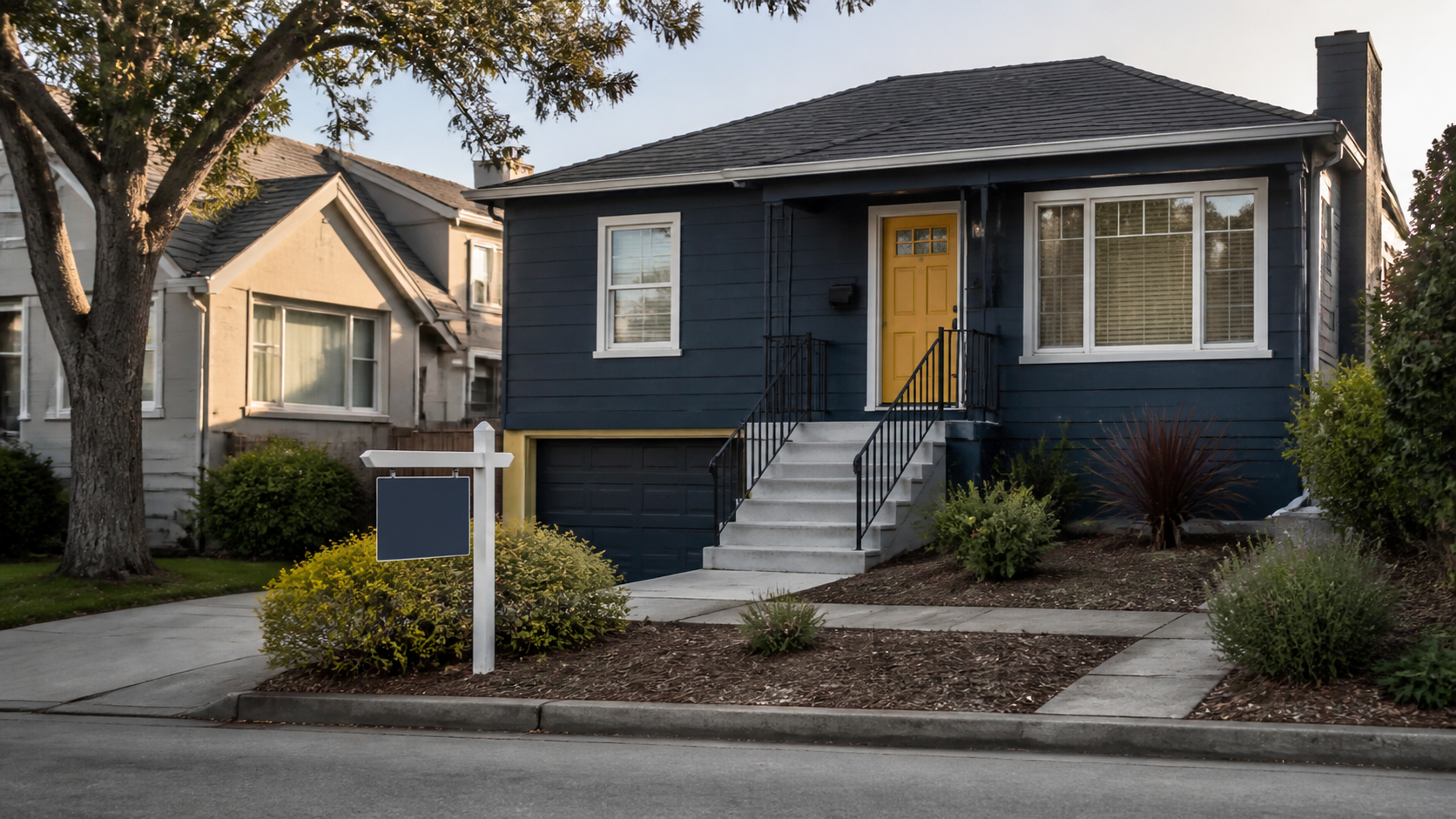
Can You Sell a Rental Property With Tenants in the Bay Area?
In many cases, yes. A rental property can often be sold while tenants are still living there. The buyer may take over the lease, close after the tenant leaves, or buy the property with a plan for future use. What matters is how the tenancy is handled before and during the sale.
California Civil Code Section 1954 allows landlord entry for certain purposes, including showing the unit to prospective or actual purchasers, but it also sets notice and timing rules. The California Attorney General also warns landlords to understand statewide rent caps, just-cause eviction protections, and local rules that may provide additional tenant protections.
This article is general information, not legal advice. Before giving notices, changing terms, or asking a tenant to move, speak with a California real estate attorney, property manager, or local housing professional.
How to Sell Rental Property With Tenants Bay Area Owners Should Prepare
1. Review the lease and rental history
Start with the documents. Confirm whether the tenant is month-to-month or under a fixed-term lease. Gather rent amount, deposit records, repair requests, notices, inspection notes, and any property management agreements. A buyer will want to understand what income they are purchasing and what obligations continue after closing.
If rent is below market, if the tenant is behind, or if the property has deferred maintenance, be realistic about how that affects buyer interest. Investors may still want the property, but they will price the risk into their offer.

2. Understand local tenant protections
Bay Area rental laws can be very local. San Francisco, Oakland, Berkeley, San Jose, and other cities may have rent control, just-cause eviction rules, relocation requirements, tenant harassment rules, or registration requirements. San Francisco states that most residential tenants have eviction protections, and Oakland’s Rent Adjustment Program explains that local ordinances address rent increases, just-cause eviction, tenant protections, move-out agreements, and relocation payments.
Do not assume that selling the property automatically gives you the right to remove a tenant. California Courts notes that many landlords must have just cause to end a rental agreement, and extra city or county rules may apply.
3. Decide how much showing disruption you can manage
A traditional listing may require photos, inspections, appraisals, open houses, buyer visits, and contractor appointments. Even when access is allowed, too many visits can create stress and scheduling problems. A cooperative tenant can make the process easier. An unhappy tenant can slow it down.
If privacy, pets, work schedules, repairs, or unpaid rent are already sensitive, repeated showings may not be worth the friction. In that case, a smaller buyer pool or direct buyer process may be a better fit.
Your Main Sale Options
- List the property with tenants in place: This can work for clean rentals with cooperative tenants and strong income, but some owner-occupant buyers may not qualify or may not want to wait.
- Negotiate a voluntary move-out: This may create a broader buyer pool, but it can involve timing, documentation, relocation costs, and local rules.
- Sell directly as-is: A local cash buyer can review the tenancy, repairs, rent history, and timeline together, then make an offer based on the current situation.
If the property also needs repairs, see our guide on when it may be time to sell your Bay Area house as-is. If you are comparing buyer types, read our post on questions to ask when selling directly.

What to Gather Before Requesting an Offer
- Current lease or month-to-month rental agreement
- Rent ledger, deposit amount, and payment history
- Repair requests, inspection notes, and known condition issues
- Any notices, rent board documents, or registration records
- Utility, HOA, insurance, and property tax information
- Your preferred closing timeline and whether the tenant will stay
These details help a buyer give a more realistic offer. They also help you compare net proceeds against the cost of vacancies, repairs, commissions, holding time, and tenant negotiations.
FAQ
Can I sell a Bay Area rental property while tenants still live there?
Often, yes. Many properties sell with tenants in place, but lease terms, local tenant protections, buyer financing, and showing access can affect the sale process.
Does a tenant have to move out because I am selling?
Not automatically. State and local rules may limit when a tenancy can be ended. Get local legal guidance before serving notices or promising vacancy to a buyer.
Can a cash buyer purchase my rental with tenants in place?
Yes, some cash buyers purchase tenant-occupied properties as-is. The offer should account for the lease, rent history, property condition, and closing timeline.
Selling a tenant-occupied rental takes more planning than selling a vacant house, but you are not stuck. With the right documents, respect for tenant rules, and a clear comparison of your options, you can choose a path that protects your timeline. If your goal is to sell rental property with tenants Bay Area buyers can evaluate quickly, a local as-is cash offer may be worth comparing.
Useful references: California Civil Code Section 1954, California Attorney General landlord-tenant resources, California Courts eviction notice guide, San Francisco eviction information, and Oakland Rent Adjustment Program ordinance overview.