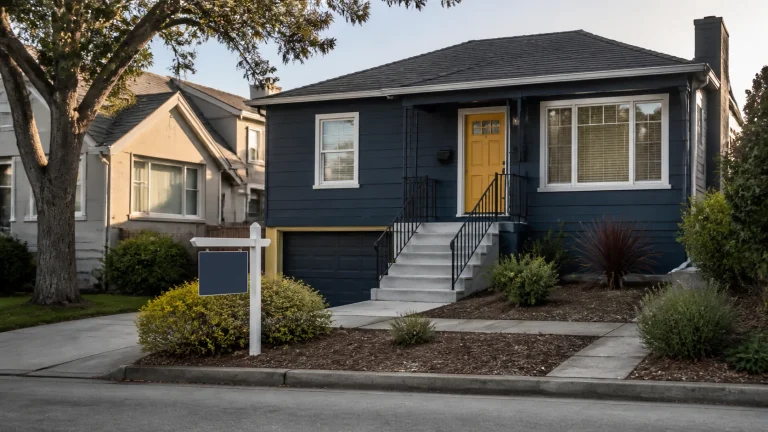
The best time to sell a house in the Bay Area is not a single month that works for every seller. Historical data shows a strong spring pattern in San Francisco, Oakland, and San Jose, but a calendar advantage can be outweighed by neighborhood inventory, property condition, an unrealistic price, several more months of holding costs, or a personal deadline.
This guide separates what the calendar can change from what it cannot. It uses historical seasonality and a dated 2026 market snapshot for context, then shows how to choose a practical selling window without promising a best month or guaranteed price.
Short answer: Spring has historically concentrated buyer activity in several major Bay Area metros, with one 2026 study placing the historical composite peak in mid-March for San Jose and late March for San Francisco and Oakland. That is planning context, not a forecast. The best time for your house is when the property, price, local competition, sale route, and your next step are ready—and when the expected benefit of waiting is greater than the cost and risk of keeping the property.
When Bay Area Homes Historically Get the Strongest Seasonal Attention
A Redfin and Home Economics analysis published April 8, 2026 found that the historical composite peak arrived in mid-March for San Jose and late March for San Francisco and Oakland. The researchers created weekly seasonal indexes using 2015–2019 and 2023–2025 data and excluded 2020–2022 because pandemic-era conditions distorted normal patterns.
The composite combined four seller-relevant measures: the share selling within two weeks, the share selling above the original list price, days on market, and the sale-to-original-list-price ratio. It describes when those measures tended to be favorable across the years studied. It does not say every Bay Area home should list in March, and it does not forecast the next spring.
Seasonality also reflects supply. When many buyers are watching but relatively few competing homes are available, a well-positioned listing may receive more attention. As the season advances, buyer traffic may remain active while the number of competing listings grows. The balance can change by city, property type, price band, school calendar, and year.

What Each Selling Season May Change
Spring: more buyer activity, with competition building
Spring often brings more new listings, more tours, and buyers trying to move before summer or the next school year. Landscaping and natural light may also help presentation. The tradeoff is that sellers may face more competing inventory as spring progresses. A home that is not ready or is priced beyond current comparable support does not become competitive simply because it launches in a historically active month.
Summer: active moves, vacations, and widening choices
Summer can work for households coordinating moves, school schedules, and job changes. Longer daylight may make showings easier. At the same time, vacations can interrupt buyer attention, and accumulated inventory can give buyers more choices. Inland heat, wildfire smoke, or a home without comfortable cooling can also affect presentation in ways a regional statistic does not capture.
Fall: a smaller but sometimes purposeful buyer pool
Fall often brings fewer casual shoppers and sellers. Some remaining buyers have a job, lease, tax-year, family, or relocation deadline. That can create a focused audience, but it does not guarantee urgency or strong terms. Daylight shortens, holidays approach, and properties that have already spent months on the market may compete with fresh listings.
Winter: less activity and less competition
Winter typically has fewer listings and buyers, especially around major holidays. The smaller pool can make a specialized or higher-priced property harder to match. Yet a well-priced home may also face fewer direct competitors, and buyers searching during winter may have a concrete reason to move. Bay Area winter weather is milder than in many markets, so condition, light, drainage, access, and local demand often matter more than temperature alone.
Why Location Can Matter More Than the Month
The Bay Area is not one housing market. In the California Association of Realtors’ September 2026 report, county median prices and supply differed substantially. Among counties shown in the regional table, the median existing single-family price ranged from $870,000 in Contra Costa to $2,327,500 in San Mateo. Unsold inventory ranged from 1.6 months in San Francisco to 8.5 months in Napa.
C.A.R. also reported that Bay Area sales were 3.1% below September 2025 but 4.9% above August 2026, while the regional median price rose 1.9% year over year and 4.2% month over month. Those figures are a dated snapshot, not a forecast. C.A.R. notes that county sales data is not seasonally adjusted and that median prices change with the mix and size of homes sold.
For an individual home, narrow the comparison to the same property type, neighborhood, condition, approximate size, buyer profile, and price range. A San Francisco condo, a San Jose single-family home, an Oakland duplex, and a rural Napa property can have different buyer pools and different seasonal constraints in the same month.
Five Factors That Can Override the Calendar
1. Property condition and readiness
A calendar date cannot fix a leaking roof, active water intrusion, unsafe electrical condition, difficult access, major cleanup, or missing information buyers need. Decide which work is essential, which is optional, and which can be disclosed and priced into an as-is sale. If preparation will miss the desired window, compare the expected benefit of the work with its cost, delay, and project risk.
The guide to signs it may be time to sell a Bay Area house as-is covers the narrower repair-versus-as-is question.
2. Pricing against current competition
Pricing should reflect recent comparable sales, active alternatives, pending activity, condition, and the seller’s actual strategy. An ambitious price can consume the seasonal window through repeated reductions and added market time. A low list price may produce an above-list result without proving that the seller received the best net outcome. Compare written offers, concessions, contingencies, and estimated net proceeds—not a headline percentage alone.
3. Buyer affordability and financing
Freddie Mac reported a 7.32% national average 30-year fixed mortgage rate on October 22, 2026, compared with 6.19% a year earlier. That survey average is not a quote for any buyer, but it illustrates why monthly-payment sensitivity may change even during a normally active season. Rate movements, lending standards, insurance availability, HOA information, appraisal, and the buyer’s down payment can affect demand and contract certainty.
4. Holding costs and property risk
Waiting is not free. Count mortgage interest, property taxes, insurance, HOA dues, utilities, landscaping, security, travel, routine maintenance, vacancy exposure, and a reserve for new repairs. Separate costs you will pay in any scenario from costs created by owning this property longer.
5. Personal and transaction deadlines
A job start, probate step, tenant timeline, school move, medical need, divorce agreement, purchase closing, insurance issue, or family responsibility can be more important than a statistical peak. Start with the latest acceptable completion date, then work backward for preparation, marketing, negotiation, due diligence, appraisal or financing, title and escrow, signing, and possession. The guide to how long a Bay Area house sale can take helps separate preparation, market, and closing time.

When Waiting May Cost More Than Selling Sooner
Waiting may be sensible when a defined, affordable step will materially improve the property or your next-home plan. It becomes harder to justify when the expected seasonal advantage is uncertain but the carrying cost is known.
Estimated cost of waiting = monthly ownership costs × months waited + planned preparation + expected repairs and risk allowance + the cost of missing a personal deadline.
Use a range, not one optimistic number. Then ask what must improve to recover that cost. If waiting four months is expected to cost $20,000, a seller should not assume spring will automatically add more than $20,000 to the net. The future sale price, buyer terms, repair needs, and competition are unknown.
- Known monthly burden: Which expenses continue every month?
- Likely new costs: What maintenance, vacancy, weather, insurance, or repair risk grows with time?
- Expected benefit: What specific work or market exposure does waiting make possible?
- Evidence: Do current comparable sales and competing listings support that benefit?
- Deadline: What happens if the property is not sold by the date you need?
If your real question is personal rather than seasonal, read Should I Sell My House Now? 7 Signs It’s Time and 3 Signs to Wait. That guide focuses on life circumstances, affordability, equity, property burden, and the next-home plan.
How to Choose Your Selling Window
- Define the outcome: Identify the move, cash need, responsibility, or deadline the sale must support.
- Set the latest acceptable closing date: Work backward through preparation, marketing, contract, and closing time.
- Check the micro-market: Review recent closed, pending, active, expired, and withdrawn properties that truly resemble yours.
- Document the condition: Gather inspections, permits, invoices, warranties, HOA documents, tenant records, and repair estimates that apply.
- Price the preparation: Compare essential repairs, optional improvements, an as-is listing, and a direct as-is offer where relevant.
- Calculate the cost of waiting: Use a conservative monthly total and a repair or vacancy risk allowance.
- Compare sale routes on the same basis: Use expected price, all seller-paid costs, work, time, contingencies, possession, and estimated cash after closing.
- Choose a launch range, not a magic day: Leave room for property readiness, weather, document collection, and changes in local competition.
A traditional listing may fit when the home is ready for broad retail marketing and the seller can manage showings, inspections, appraisal, and buyer financing. A direct sale may belong in the comparison when repairs, access, condition, or a deadline makes a simpler as-is route valuable. Waiting may fit when it has a defined purpose, budget, and review date. For a fuller method comparison, review cash buyer versus Realtor for a Bay Area home sale.
Frequently Asked Questions
What is the best time to sell a house in the Bay Area?
Historical data has shown strong seller metrics in March for San Jose, San Francisco, and Oakland, but there is no guaranteed best month. The practical window depends on current neighborhood competition, property type and condition, price, buyer affordability, holding costs, sale route, and the seller’s deadline.
Is spring always the best time to sell a house in California?
No. Spring often brings more buyer activity, but it can also bring more competing listings. California markets vary by region, climate, inventory, property type, and buyer pool. Historical seasonality should be checked against current local comparables and the cost of waiting.
Should I wait until spring to sell my Bay Area house?
Wait only when the expected benefit has a reasonable basis and exceeds the carrying cost, repair risk, and effect on your deadline. Do not assume spring will guarantee a higher price. Compare selling sooner with waiting to a specific date using the same net-proceeds assumptions.
Does the best month change by Bay Area location?
Yes. Inventory, commute patterns, schools, weather, property type, price band, and buyer demand differ across San Francisco, the Peninsula, South Bay, East Bay, North Bay, and outlying areas. County data can still be too broad for a specific neighborhood.
Can We Buy Properties in Bay Area make an offer outside the spring season?
We Buy Properties in Bay Area can review a property and determine whether a no-obligation cash offer is available for comparison with listing or waiting. The offer, timing, and terms depend on the property, condition, title, access, and written agreement; no seasonal outcome is guaranteed.
Compare a Cash Offer With Listing or Waiting
Tell us about the Bay Area property, its condition, and the timeline you are considering. Review any written offer, terms, estimated net, and work required alongside a traditional listing plan and the cost of waiting.