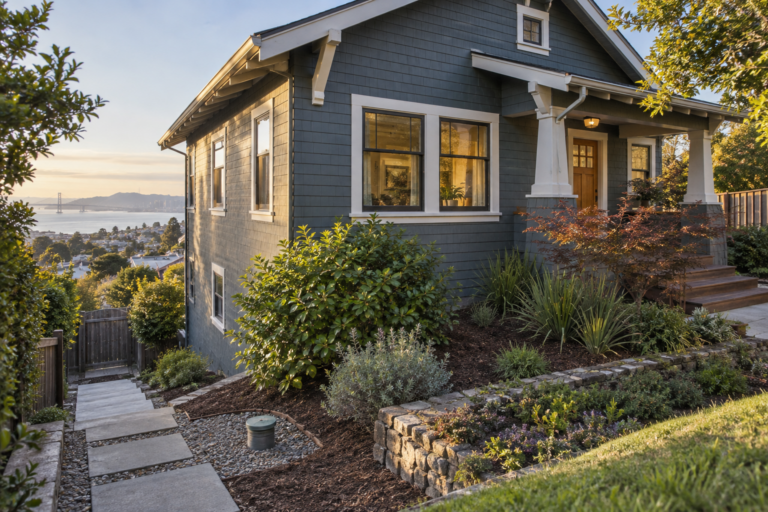
Selling a Bay Area house with lead paint can raise questions before you ever receive an offer. Do you need testing? Should you repaint? What must buyers receive? Start with the home’s records and the requirements for your transaction before committing to cosmetic work or a closing date.
An older San Francisco home or East Bay bungalow may have several generations of paint. Age alone does not confirm lead, and fresh paint does not establish that older layers are lead-free. A clear file helps buyers understand what is known, what remains uncertain, and how that affects their offer.
1. Review Records for Your Bay Area House With Lead Paint
Confirm the construction date using reliable property records, then locate any previous lead inspections, risk assessments, repair invoices, and notices. Keep complete reports rather than relying on a contractor’s verbal summary. A report about one window or room may not describe the entire property.
Make a short inventory: the date of each report, the areas examined, the findings, and any follow-up work. If the home has never been evaluated, describe the status accurately. “No records available” and “tested lead-free” are different statements.
- Original purchase disclosures and any lead-related attachments
- Inspection or risk-assessment reports, including their limitations
- Work proposals, paid invoices, and available clearance documentation
- Any agency notices or unresolved requirements affecting the property

2. Plan Disclosures Before the Buyer Signs
For most housing built before 1978, the federal disclosure rule requires specific information before the buyer becomes obligated under a purchase contract. The EPA’s lead disclosure guidance explains the requirements and exceptions.
- Provide the approved lead-hazard information pamphlet.
- Disclose known lead-based paint and lead hazards, and supply available records and reports.
- Include the required warning statement and signed acknowledgments.
- Allow the buyer a 10-day inspection or risk-assessment opportunity, unless the period is changed by written agreement or the buyer waives that opportunity.
Keep signed disclosures for at least three years after the sale. Have your real-estate professional or California attorney confirm the forms, timing, and any additional state or local obligations. Do not assume an as-is sale or cash payment removes these requirements.
3. Decide Whether Testing Would Help
The federal disclosure rule does not require sellers to conduct or pay for a lead inspection. That does not resolve every property-specific issue: an agency notice, the purchase agreement, or another applicable requirement may need separate attention.
Testing can still be useful when uncertainty is holding up a decision. Ask a qualified lead inspector or risk assessor what the proposed evaluation covers, what it excludes, and what documentation you will receive. Share existing findings rather than treating another test as a substitute for them.
For example, a buyer planning to replace original windows may ask different questions from someone keeping them. Discuss that proposed work early. A general home inspection and a specialist lead evaluation serve different purposes; clarify the scope before paying for either.
4. Pause Before Sanding or Repainting
A quick paint refresh can become a larger project if preparation disturbs older coatings. The EPA’s renovation guidance for homeowners warns that sanding, cutting, and window replacement can produce hazardous lead dust or chips. It recommends using a lead-safe certified contractor for work on pre-1978 homes.
If paint is deteriorating or a report identifies hazards, seek qualified advice promptly. Do not scrape or sand suspect surfaces just to improve listing photos. Ask the appropriate professional about assessment, safe work methods, documentation, and any local requirements before choosing a project.

Request a written scope and price. Identify which components are included, how occupants and belongings will be protected, and what completion records will be provided. Cosmetic repainting, renovation, and lead-hazard abatement are different scopes; avoid comparing bids as though they promise the same result.
5. Compare the Sale Options and Written Terms
Complete appropriate work, then list
This may fit when you have time, funds, and a clear professional scope. Compare the expected sale proceeds with the work cost, holding expenses, and schedule. Do not assume every dollar spent will return in the price, or promise a lead-free home without documentation supporting that claim.
Sell in the current condition
A traditional buyer or direct cash buyer may consider the property with its disclosed condition. The price and contract terms will reflect the buyer’s plans and risk assessment. Our cash buyer versus Realtor guide helps compare the broader options.
Ask who pays for any additional evaluation, whether the offer includes repair conditions, and when the buyer can cancel or renegotiate. Cash does not automatically mean no inspections. Review the deposit, closing costs, possession date, and unresolved notices with the professionals handling the sale. See what happens after accepting a cash offer for the next steps.
Frequently Asked Questions
Can I sell a home with lead paint without removing it first?
Lead paint does not automatically prevent a sale. Whether work is required depends on the property, applicable requirements or orders, and contract terms. Get property-specific advice and provide the required disclosures.
Do I need to test every painted surface before listing?
The federal disclosure rule does not require a seller-funded inspection. Ask a qualified professional whether testing would help your situation and what scope makes sense before commissioning it.
Does a cash buyer still receive lead disclosures?
Yes, where the disclosure rule applies. Cash payment does not itself create an exemption. Coordinate the disclosure package and any inspection opportunity before committing to the sale.
Get a Cash Offer Before Committing to Paint Work
If you are selling a Bay Area house with lead paint or uncertain paint history, gather your records and compare your options first. We Buy Properties in Bay Area can review the home’s current condition and discuss an as-is cash offer. Request your no-obligation cash offer and tell us about the reports you have and the timeline you need.