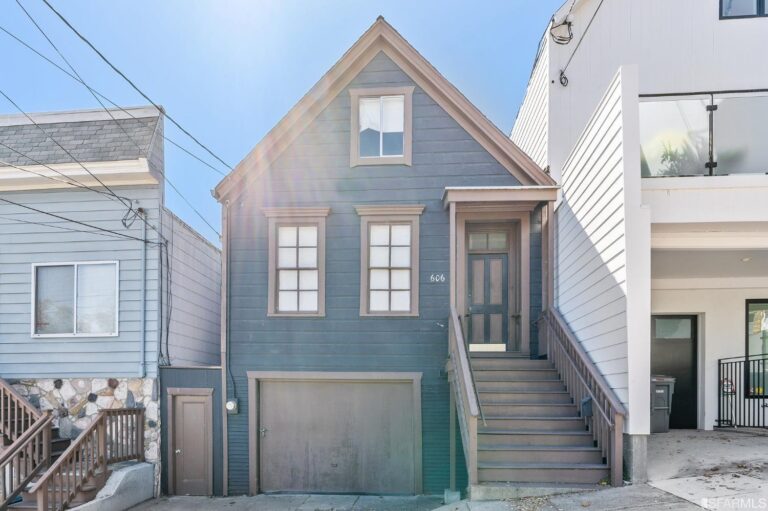
Selling a Bay Area house with an assumable mortgage may give a qualified buyer the chance to take over your existing loan terms instead of arranging an entirely new first mortgage. When your rate is lower than current market rates, that possibility can make the property more attractive.
An assumption is not automatic, however. The loan must permit it, the buyer usually must qualify, and the servicer must follow its approval process. You also need a plan for your equity and written confirmation that you are no longer responsible for the debt. These five steps can help you evaluate the option without promising buyers more than the loan allows.
1. Verify That Your Bay Area House Has an Assumable Mortgage
Start with your promissory note, deed of trust, closing documents, and current loan statement. The Consumer Financial Protection Bureau explains that an assumption allows a buyer to take over a loan on the same terms when the loan permits it, but most mortgages do not allow assumptions.
Do not rely on a listing description, an old conversation, or the fact that the loan is FHA- or VA-backed. Call the current servicer and ask for its assumption department. Request written information covering:
- Whether this specific loan can be assumed.
- Who may apply and what credit or income review is required.
- Application steps, fees, documents, and estimated processing time.
- Whether the loan must be current before approval.
- How you obtain a written release from liability.
Keep notes of each call and save the current written instructions. Loan ownership and servicing can change, so confirm the process with the company handling the mortgage now.
2. Understand Buyer Approval and Seller Protection
An assumable loan is not a shortcut around underwriting. The CFPB’s mortgage key-terms guidance notes that the buyer generally must qualify based on factors such as credit and income. Ask the servicer what makes an application complete and who communicates status updates.
Your protection matters just as much as buyer approval. Do not treat a change in title as proof that your loan obligation ended. Ask what document formally releases you from liability, who issues it, and when you will receive it. Have the appropriate real-estate and legal professionals review the purchase terms and closing instructions.
VA sellers should also ask how the transaction affects their loan entitlement. The Department of Veterans Affairs explains that restoration may depend on repayment or a qualified Veteran substituting entitlement. A release from loan liability and restoration of VA entitlement are related but separate questions.

3. Calculate the Equity Gap Before Marketing the Benefit
The assumed balance may cover only part of the sale price. If the agreed price is $950,000 and the existing loan balance is $600,000, the buyer must address the $350,000 difference plus applicable closing costs. That difference is often called the equity gap.
The buyer may propose cash, separate financing, or another permitted source, but the servicer and other parties must approve the final structure where required. A low mortgage rate does not make a large equity gap disappear. Ask for proof of funds or financing and avoid describing the payment as “affordable” before the buyer’s full plan is reviewed.
Request a current payoff statement and a preliminary title review as part of estimating proceeds. If another debt or recorded claim may affect closing, the separate guide to selling a Bay Area house with liens explains why early payoff information is useful.
4. Build the Contract Around the Assumption Timeline
Assumption timing varies by loan, servicer, buyer, and application completeness. Before accepting a deadline, ask how long the current process generally takes and what events could pause it. Build realistic dates and responsibilities into the written agreement.
Clarify who pays assumption-related fees, how the equity gap will be funded, what approval contingency applies, and what happens if the application is denied or delayed. Identify when possession changes and when your regular mortgage payments stop. Keep making required payments until the authorized parties confirm otherwise.
Avoid transferring ownership informally or letting a buyer simply start sending you money. The VA warns borrowers to obtain required approval and a release of liability before completing an assumption. Use the servicer’s approved process and professional closing support rather than a side agreement.

5. Compare an Assumption With Other Sale Paths
Market the assumption to qualified buyers
This route may be worth exploring when the verified loan terms are attractive, the buyer can qualify, the equity gap is workable, and your schedule allows for servicer review. Present the benefit accurately and keep a backup plan if approval does not arrive.
Use a conventional financed sale
A buyer can obtain a new mortgage and your existing loan can be paid off through closing. This may create a larger buyer pool, although appraisal, financing, inspection, and repair negotiations can affect the schedule.
Compare an as-is cash offer
A cash buyer generally purchases the property while the existing mortgage is paid off at closing instead of assumed. Compare written net proceeds, contingencies, fees, requested repairs, and closing dates. Our cash buyer versus Realtor guide provides a broader framework, and the guide to what happens after accepting a cash offer explains the next steps.
Frequently Asked Questions
Are all FHA and VA mortgages assumable?
Government-backed loans may permit assumptions under program and servicer rules, but eligibility and approval are loan-specific. Ask your current servicer to confirm the terms in writing before advertising the feature.
Does the buyer automatically receive my interest rate?
An approved assumption generally continues eligible existing loan terms, but the servicer must confirm what transfers, what fees apply, and whether the buyer qualifies. Do not promise a rate or payment based only on your current statement.
Can I request a cash offer if my mortgage is assumable?
Yes. You can compare an assumption with a conventional or cash offer. A cash buyer will typically expect the existing mortgage to be paid off through closing, so review the payoff, net proceeds, contingencies, and timing in writing.
Request a Cash Offer Before Choosing Your Sale Path
A Bay Area house with an assumable mortgage may offer a useful buyer benefit, but only when the servicer, buyer qualification, equity gap, release of liability, and closing schedule all work together. Compare the complete transaction rather than focusing on the interest rate alone.
Request a no-obligation cash offer from We Buy Properties in Bay Area. You can compare the written offer with an assumption or traditional listing, then choose the route that best fits your equity and timeline.